Ancient Egyptian Gods & The Arts
Discover the deities of ancient Egypt who inspired writing, wisdom, music, and artistic creation.
Listed below are the ancient Egyptians' revered gods and goddesses who embodied the creative forces of the universe. Many deities played significant roles in the arts, wisdom, craft, and cosmic order across three thousand years of Egyptian civilization.
Gods of Wisdom & Writing
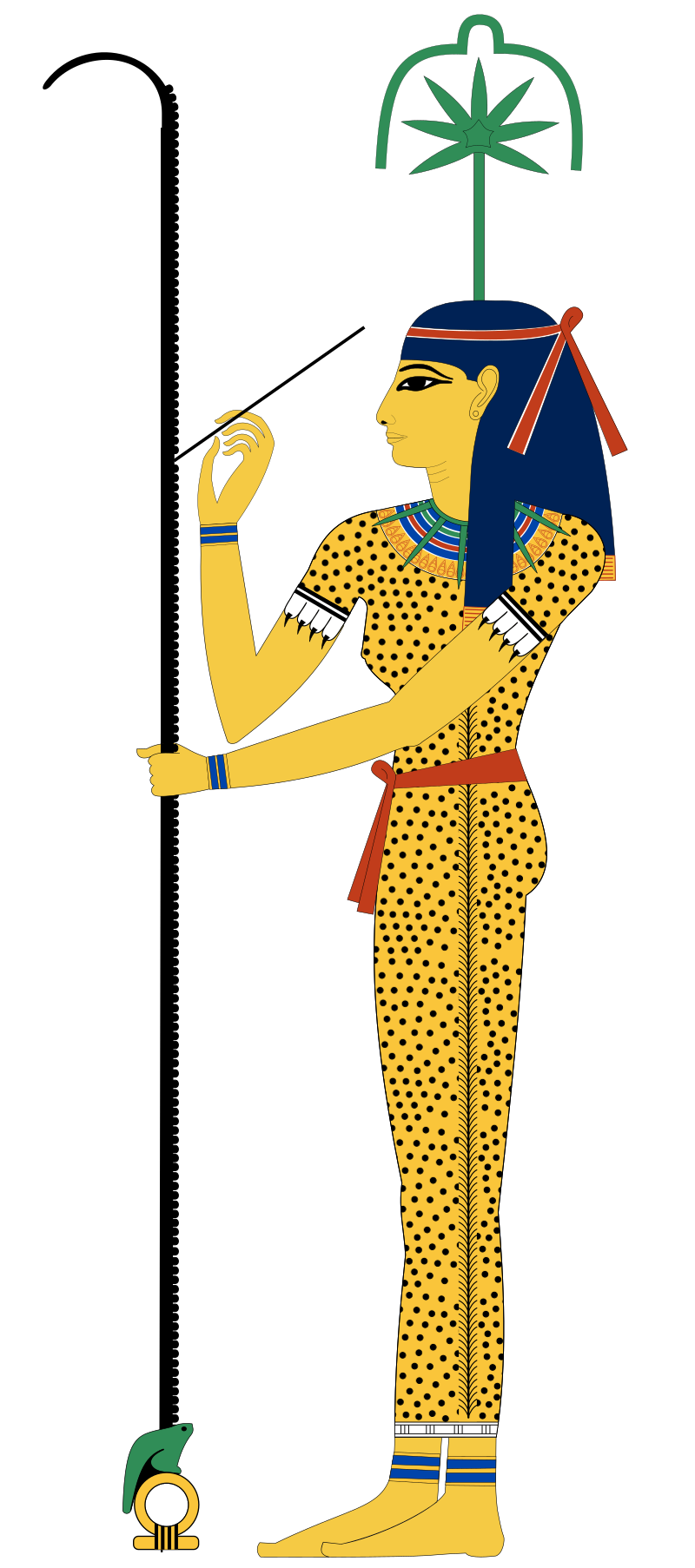
Seshat
Goddess of writing, measurement, and record-keeping. Seshat served as the divine scribe who documented the deeds of pharaohs, recorded the spoils of war, and measured the foundations of temples. She was the only female deity depicted writing and was closely associated with the royal library and the archives of the gods.
Learn More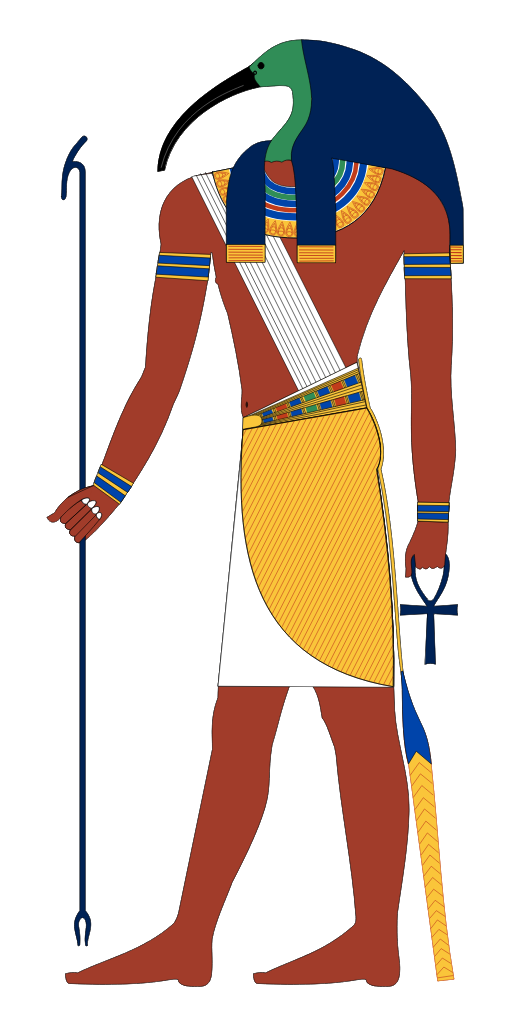
Thoth
God of the moon, writing, hieroglyphs, science, magic, and judgment. Credited with inventing writing, Thoth was the patron of scribes and the keeper of divine records. He recorded the outcome of the weighing of the heart in the Hall of Two Truths and was considered the author of all sacred texts, including the spells of the Book of the Dead.
Learn More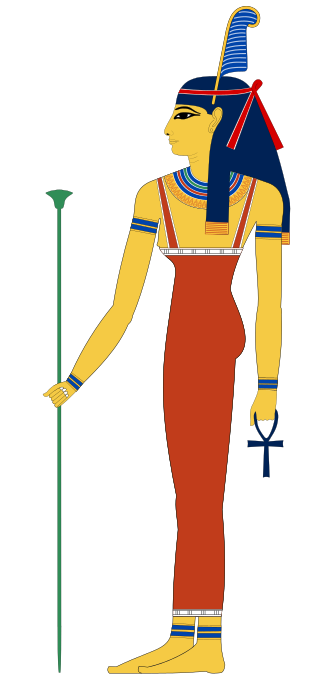
Ma'at
Goddess of truth, justice, and cosmic order. Ma'at represented the principle of balance and right conduct that governed both the natural world and human affairs. Her feather was used in the weighing of the heart ceremony to judge the dead. Egyptian artists and architects were understood to work within her principles, as all craft and expression were expected to reflect order and truth.
Learn MoreGods of Creation & the Arts
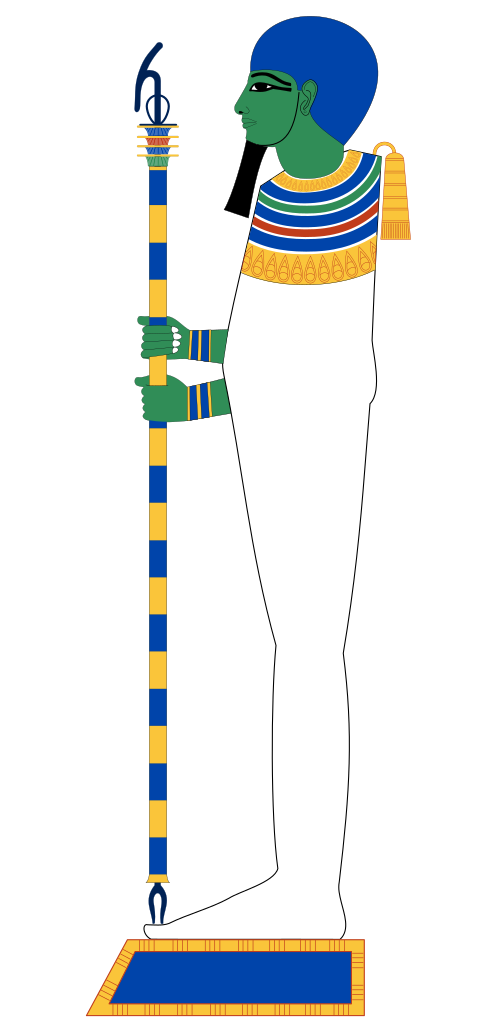
Ptah
God of creation, craftsmen, architects, and artisans. Worshipped primarily at Memphis, he was believed to have created the world through thought and spoken word. He served as the patron of all craftspeople and builders, and the High Priest of his cult held the title "Greatest of the Directors of Craftsmen."
Learn More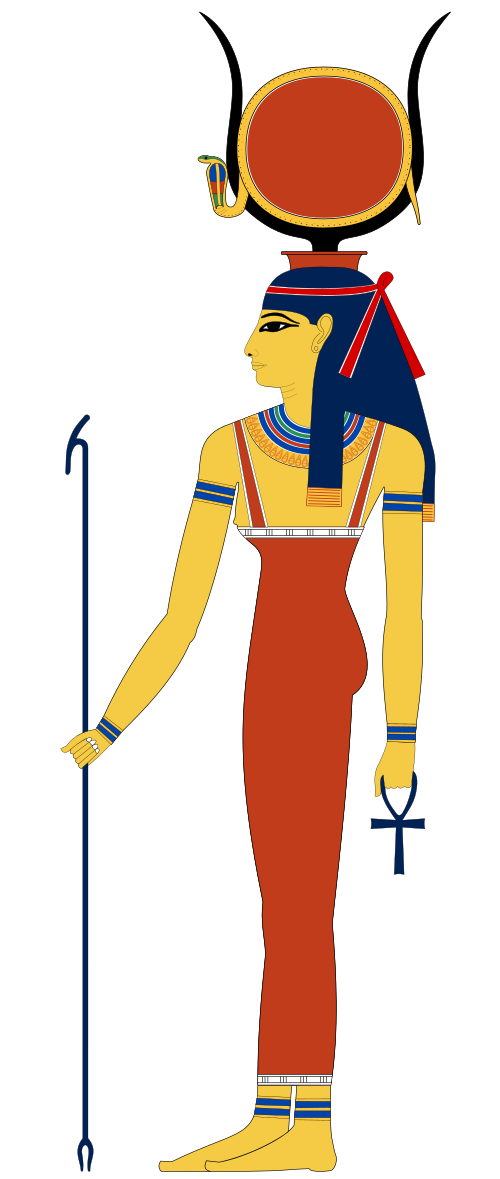
Hathor
Goddess of music, dance, love, and beauty. She was among the most widely worshipped deities in ancient Egypt and was associated with the sistrum, a ritual rattle used in temple performances. Her cult centers at Dendera and Deir el-Medina drew artisans and musicians who worked under her patronage.
Learn More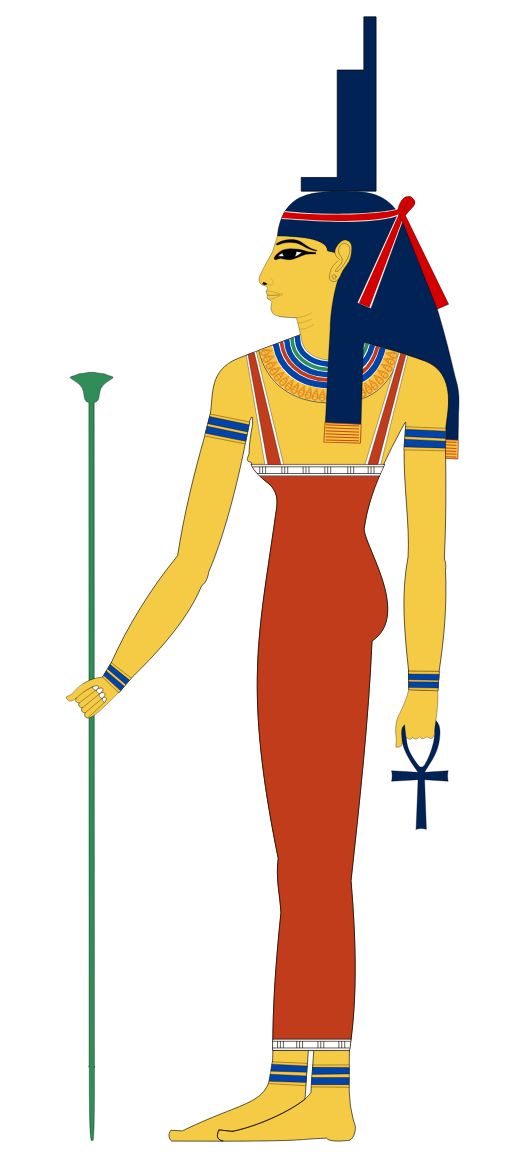
Isis
Goddess of magic, healing, and kingship. One of the most prominent deities in the Egyptian pantheon, she was closely associated with the written and spoken word as a medium of magical power. Her cult spread beyond Egypt throughout the Greco-Roman world and produced an extensive tradition of devotional art and temple construction.
Learn MoreGods of Music & Celebration
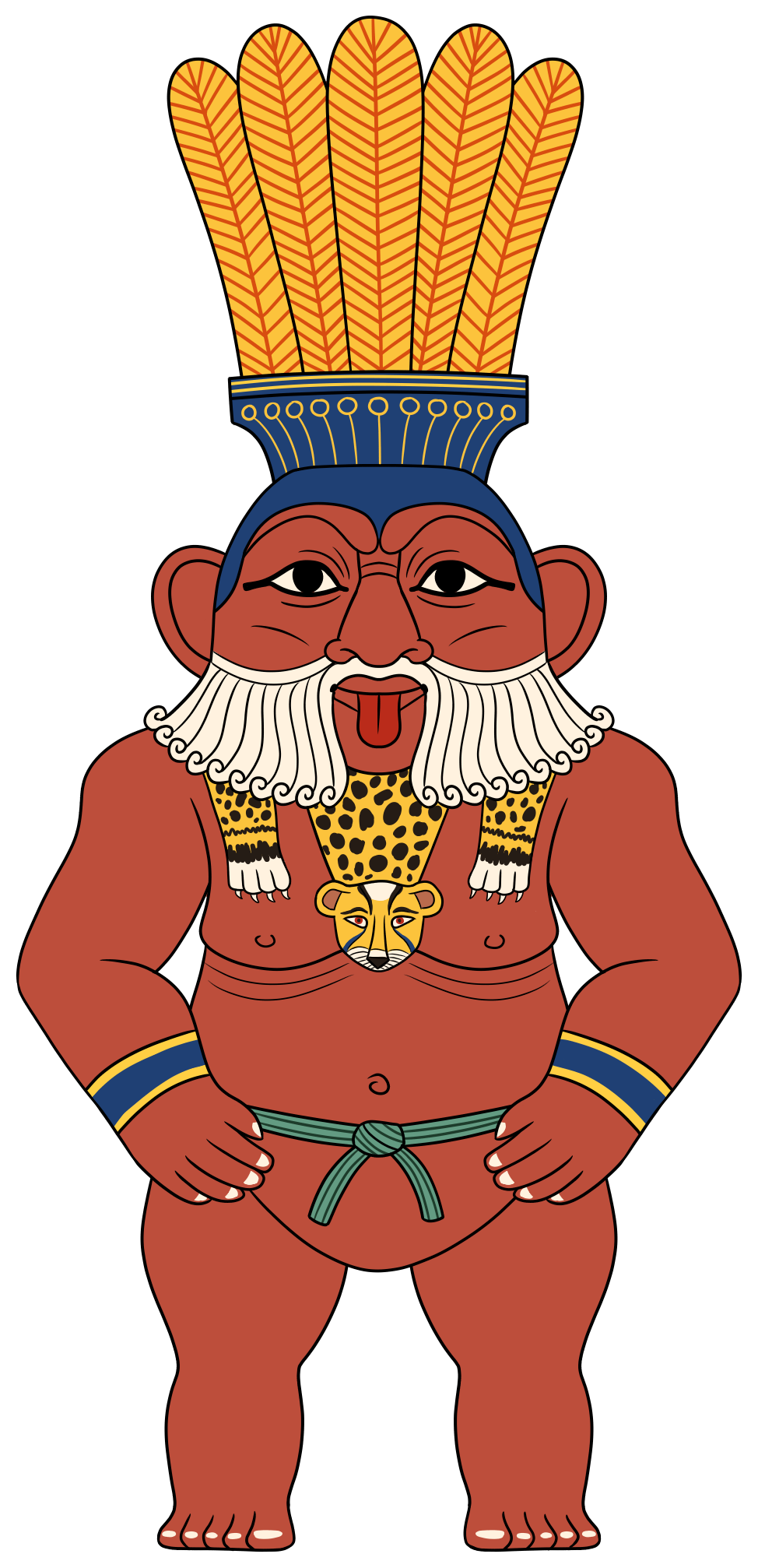
Bes
Dwarf deity associated with music, dance, and the protection of households and childbirth. Unlike most Egyptian gods depicted in profile, Bes was shown frontally, often playing a drum or tambourine. His image was reproduced widely on household objects, cosmetic containers, and protective amulets from the New Kingdom onward.
Learn More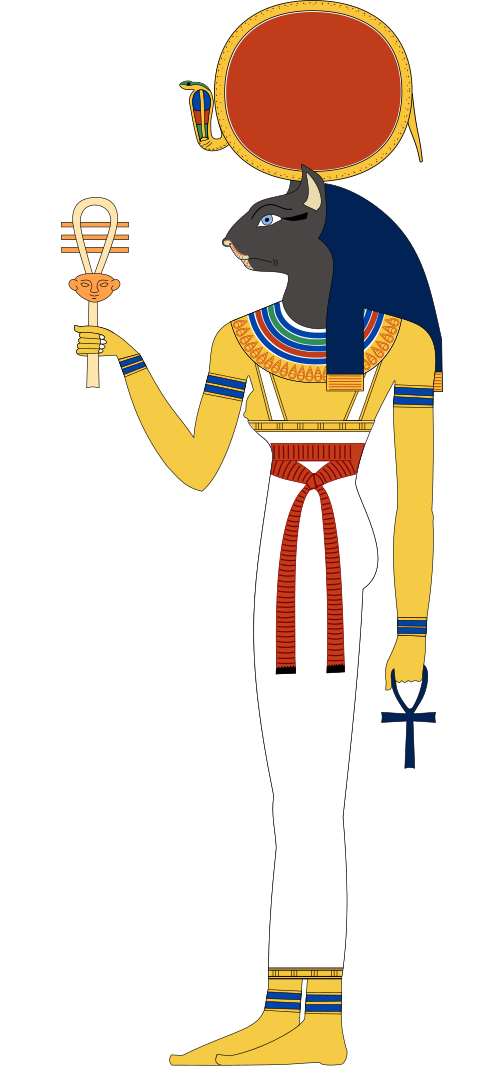
Bastet
Cat-headed goddess of music, dance, and domestic protection. She carried the sistrum and was considered a gentler counterpart to the fierce Sekhmet. Her annual festival at Bubastis was among the most widely attended in Egypt; Herodotus estimated attendance in the hundreds of thousands, with music and processions central to the celebration.
Learn MoreGods of Craft & Making
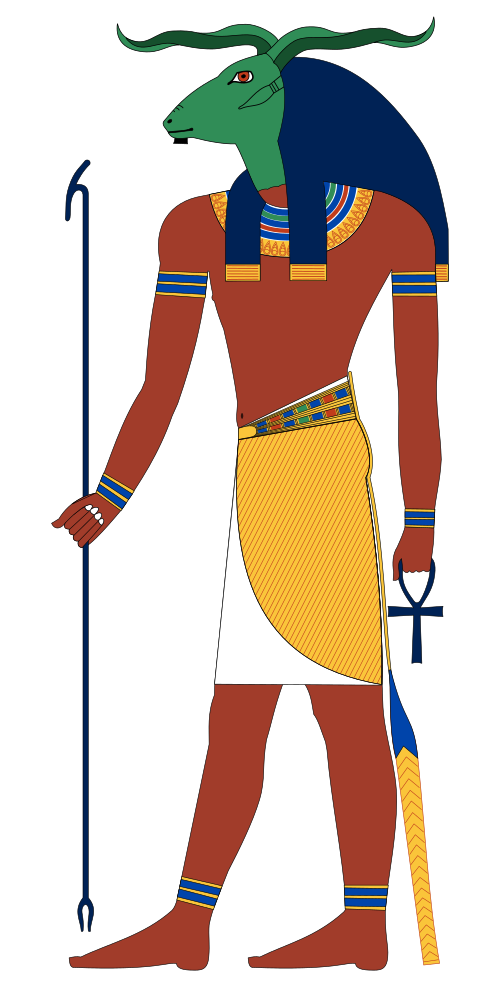
Khnum
Ram-headed creator god venerated at Elephantine and Esna. Khnum was believed to fashion human bodies and their life forces on a divine potter's wheel before birth. He was the patron deity of potters and all craftspeople who shaped clay into form. Texts at Esna describe him as the craftsman who shaped the gods themselves.
Learn More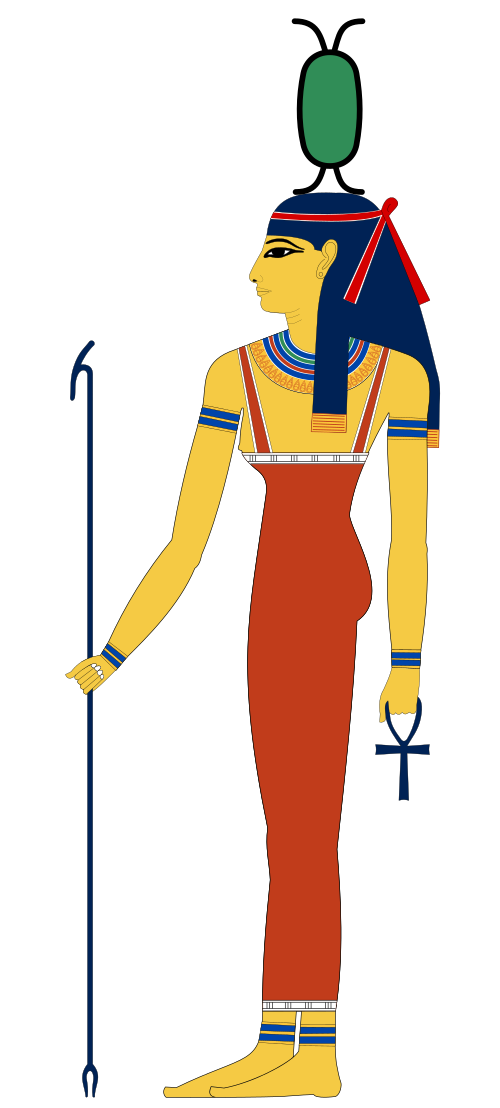
Neith
One of the oldest attested deities in the Egyptian record, Neith was credited with inventing weaving and was the patron of weavers and textile craftspeople. Her symbol of two crossed arrows on a shield appears on artifacts predating the dynastic period. She also presided over the linen bandages used in mummification, linking her craft to funerary tradition.
Learn More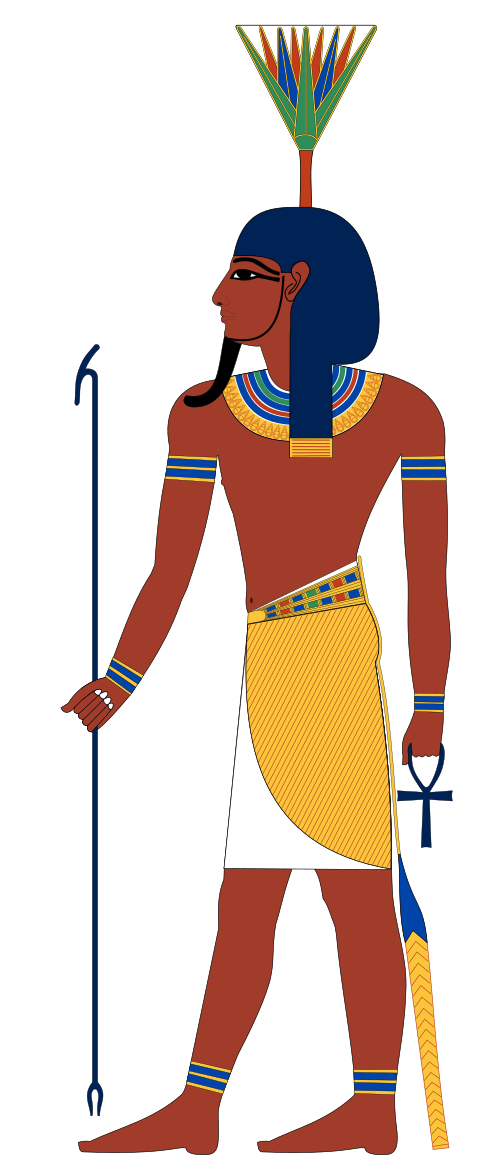
Nefertem
God of the blue lotus blossom and sacred fragrance. Nefertem presided over the formulation of perfumes and aromatic compounds central to temple ceremony. His name means "beautiful and complete." He was depicted as a young man crowned with a lotus blossom and was connected to the sun god Ra's emergence from the primordial lotus at the moment of creation.
Learn More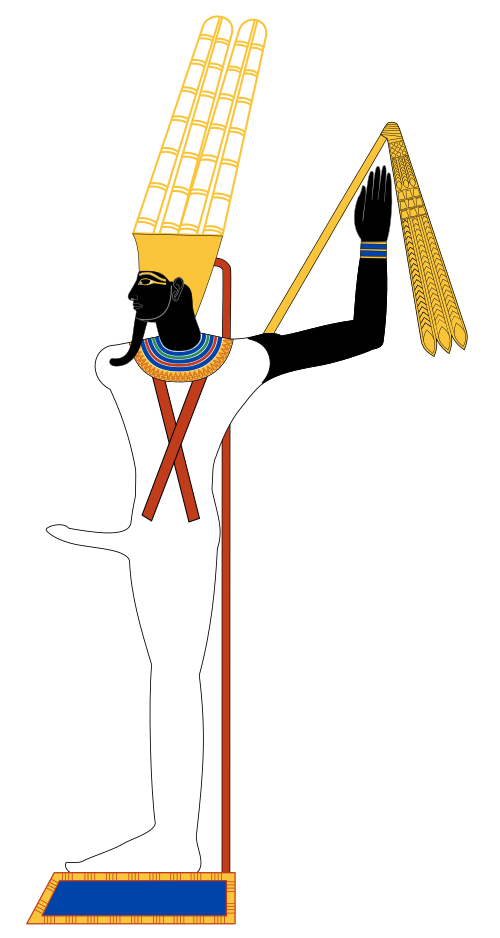
Min
One of Egypt's oldest attested deities, Min was a god of generative power and fertility associated with the harvest. His cult festivals featured processions, music, and ritual performance integrated into royal coronation ceremonies. Colossal limestone statues of Min from Coptos, dating to the Predynastic period, are among the earliest known monumental sculptures in Egypt.
Learn MoreGods of the Cosmos & Order
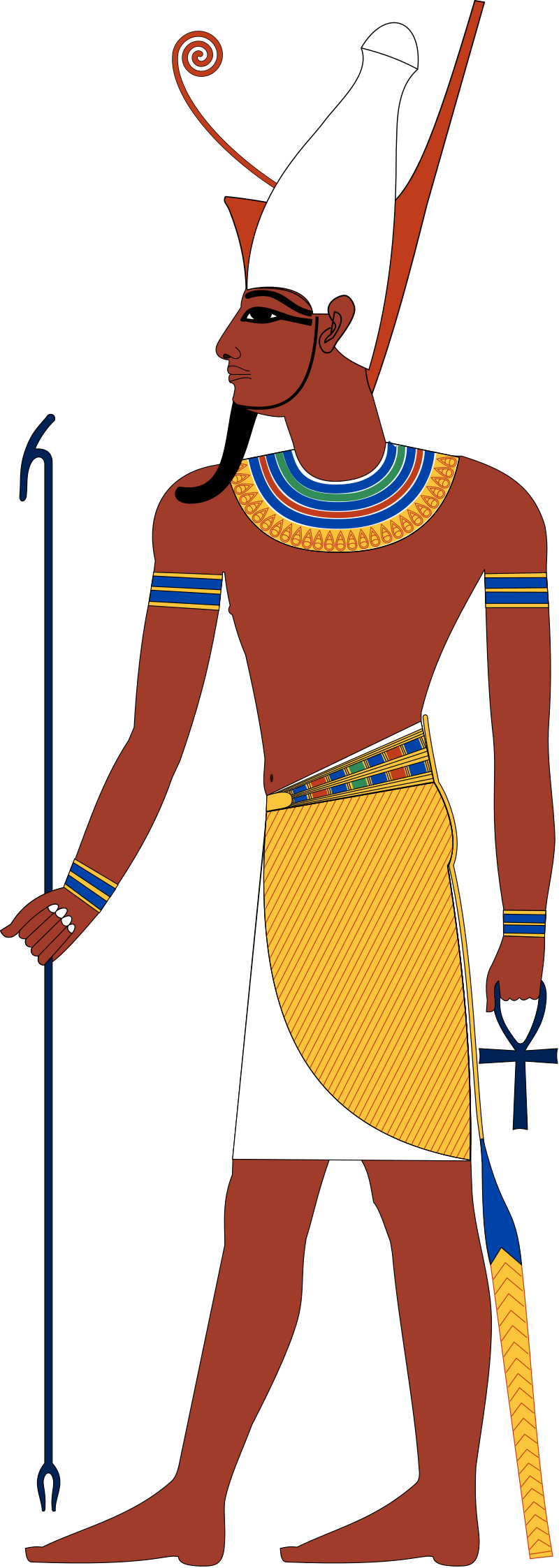
Atum
The self-created primordial deity of Heliopolis and the first of the Ennead, the nine principal gods of the Heliopolitan cosmology. Atum was said to have initiated creation through divine speech and self-generation. He represented the complete or finished form of the sun and the setting sun at the horizon, and his name is commonly interpreted as "the All" or "the Complete One."
Learn More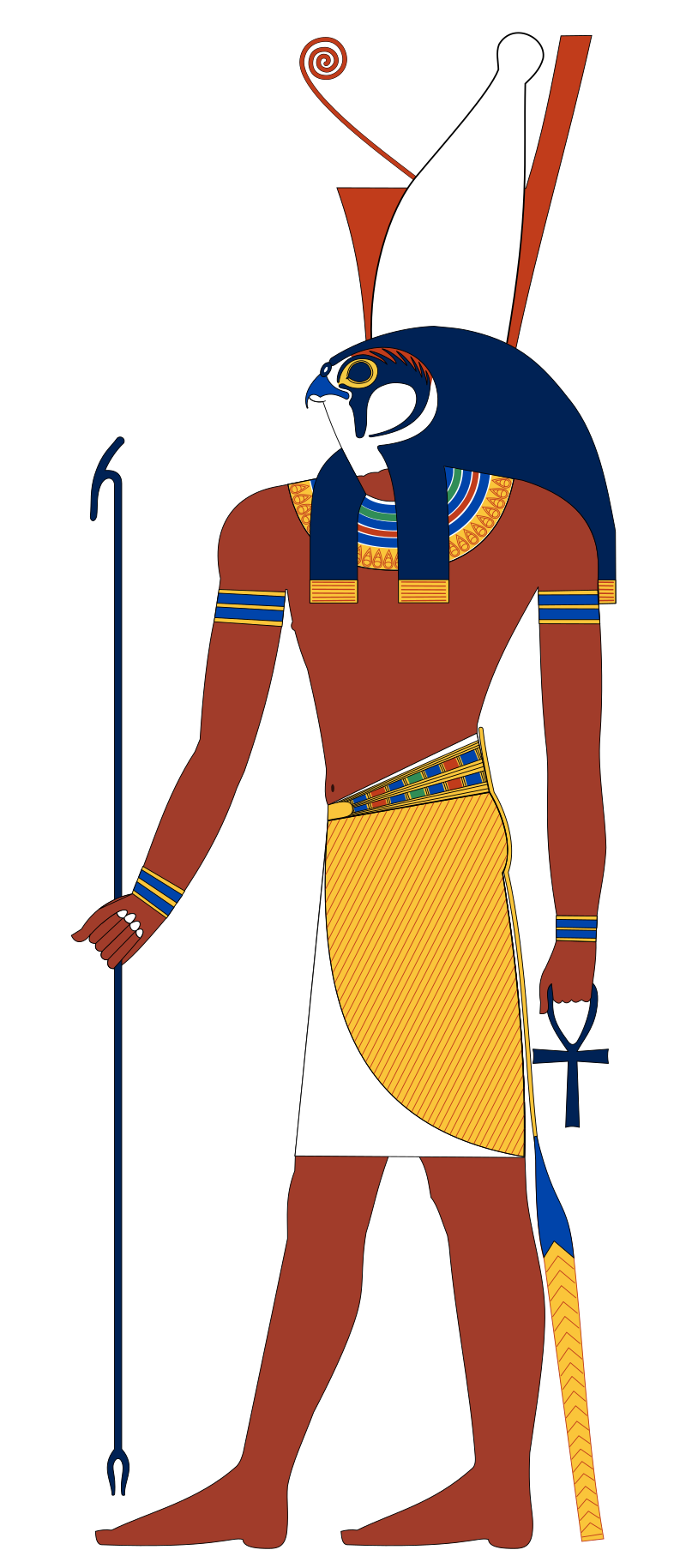
Horus
Falcon-headed sky god and the divine embodiment of kingship. Because the living pharaoh was identified with Horus, his image governed the iconographic conventions of royal portraiture and temple relief sculpture for three thousand years. The Eye of Horus became one of the most reproduced symbols in Egyptian decorative art, appearing on amulets, jewelry, and architectural ornamentation throughout the dynastic period.
Learn More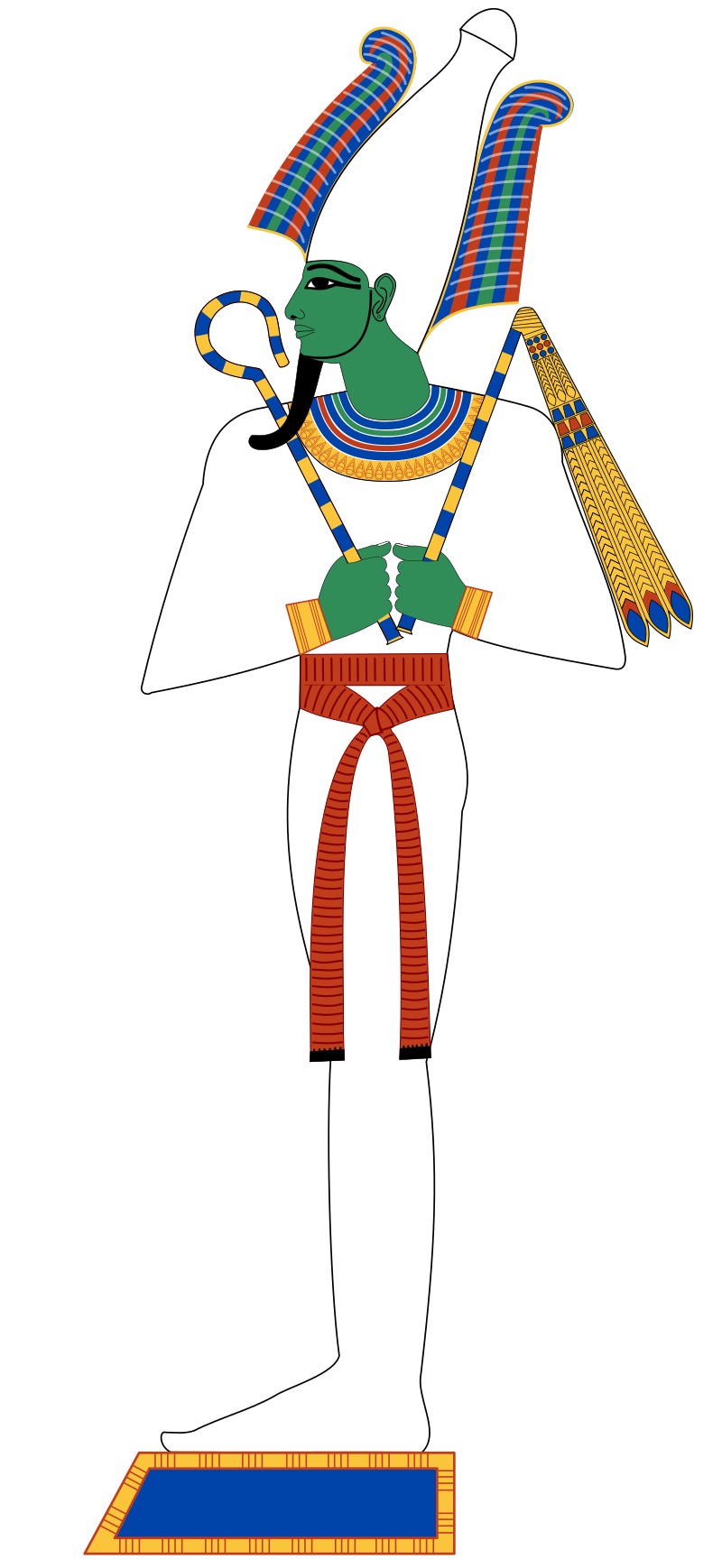
Osiris
God of the afterlife, resurrection, and agriculture. Osiris was the subject of the most extensive narrative mythology in ancient Egypt and inspired a broad tradition of funerary art. Painted sarcophagi, tomb murals, and the illustrated mortuary texts of the Book of the Dead were produced in his honor. His myth provided the theological foundation for Egyptian funerary practice across three millennia.
Read the Myth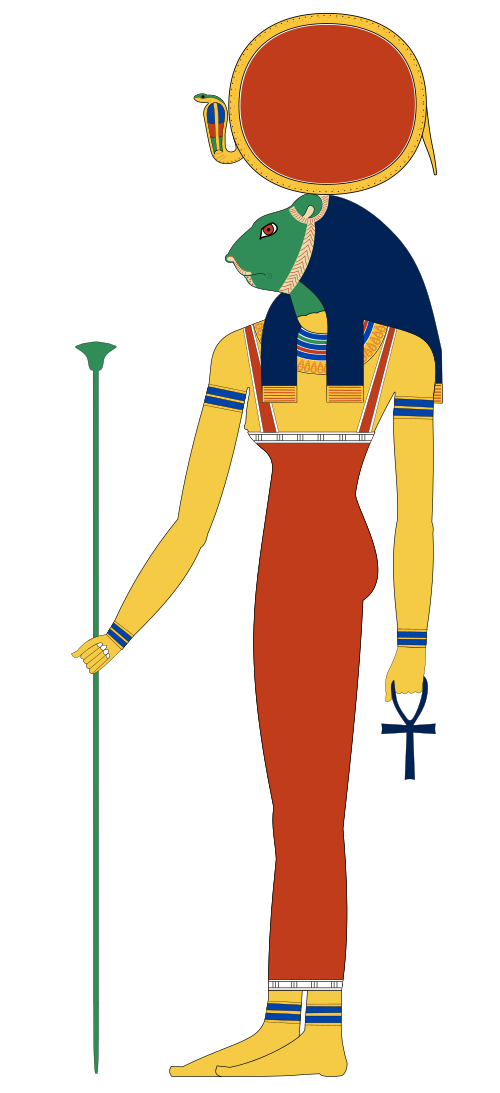
Sekhmet
Lion-headed goddess of healing and destruction. Sekhmet was the patron of physicians and surgeons, whose practice was integrated with ritual and sacred texts. Amenhotep III commissioned more than 700 granite statues of Sekhmet for the Mut temple complex at Karnak, one of the largest single sculptural commissions recorded in the ancient world.
Learn More