Letter From the Editor
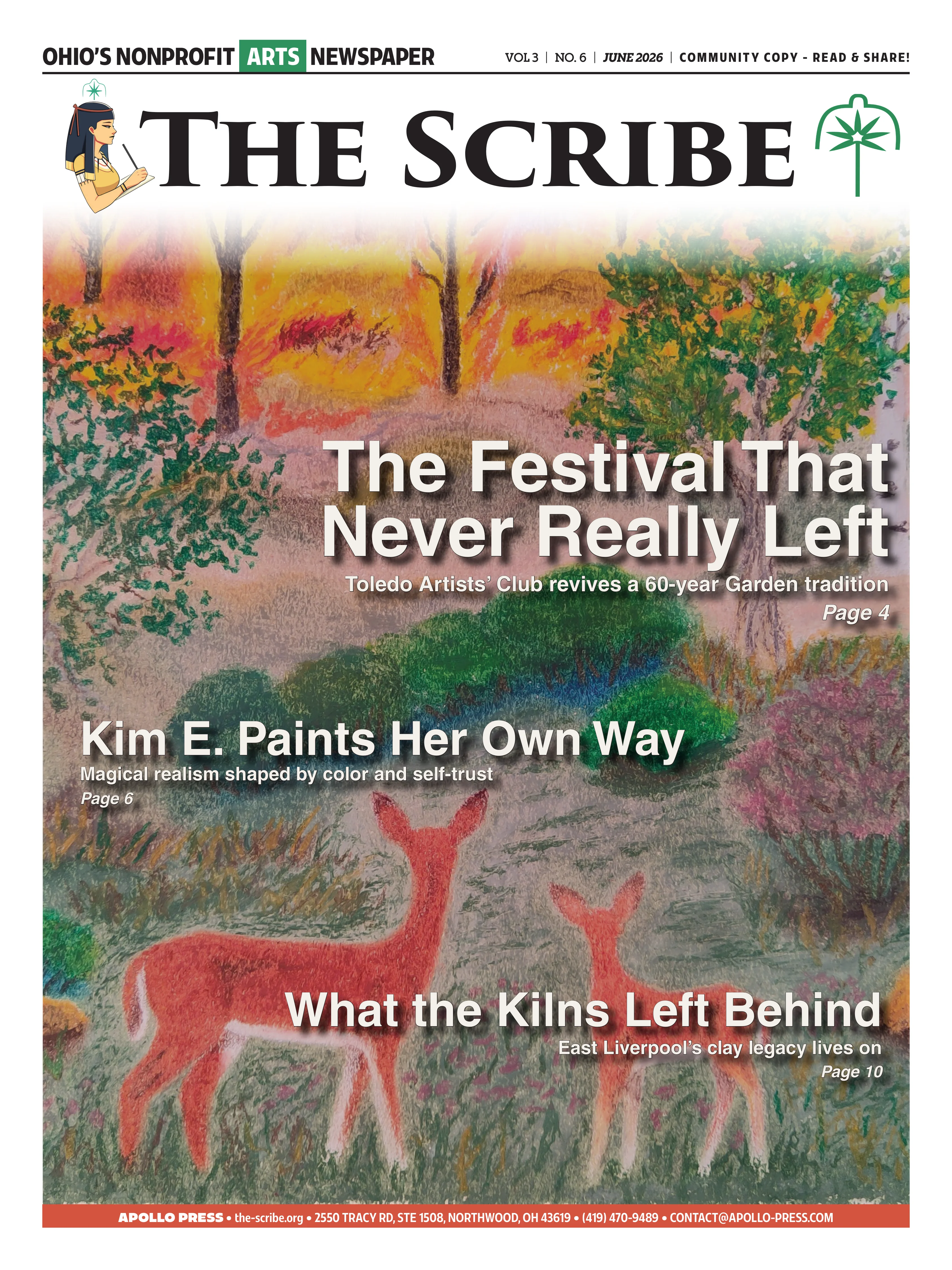
This edition of The Scribe will be quite enjoyable to read. Arts institutions in Ohio survive on stubbornness. This month, we wanted to showcase Toledo Artist Club's upcoming festival revival. Further in, Columbus painter Kim Elliott shares three decades of navigating galleries, rejection, and the discipline of trusting your own vision.
We also visit East Liverpool, where the Museum of Ceramics keeps a century of pottery history alive through hands-on workshops, and sit down with Jason Morgan, a Marine-turned-still-life-painter who cold-called his way into a 15-year gallery career.
Please enjoy the edition, and reach out for any comments or critique.
Jeffrey Darah President and Editor
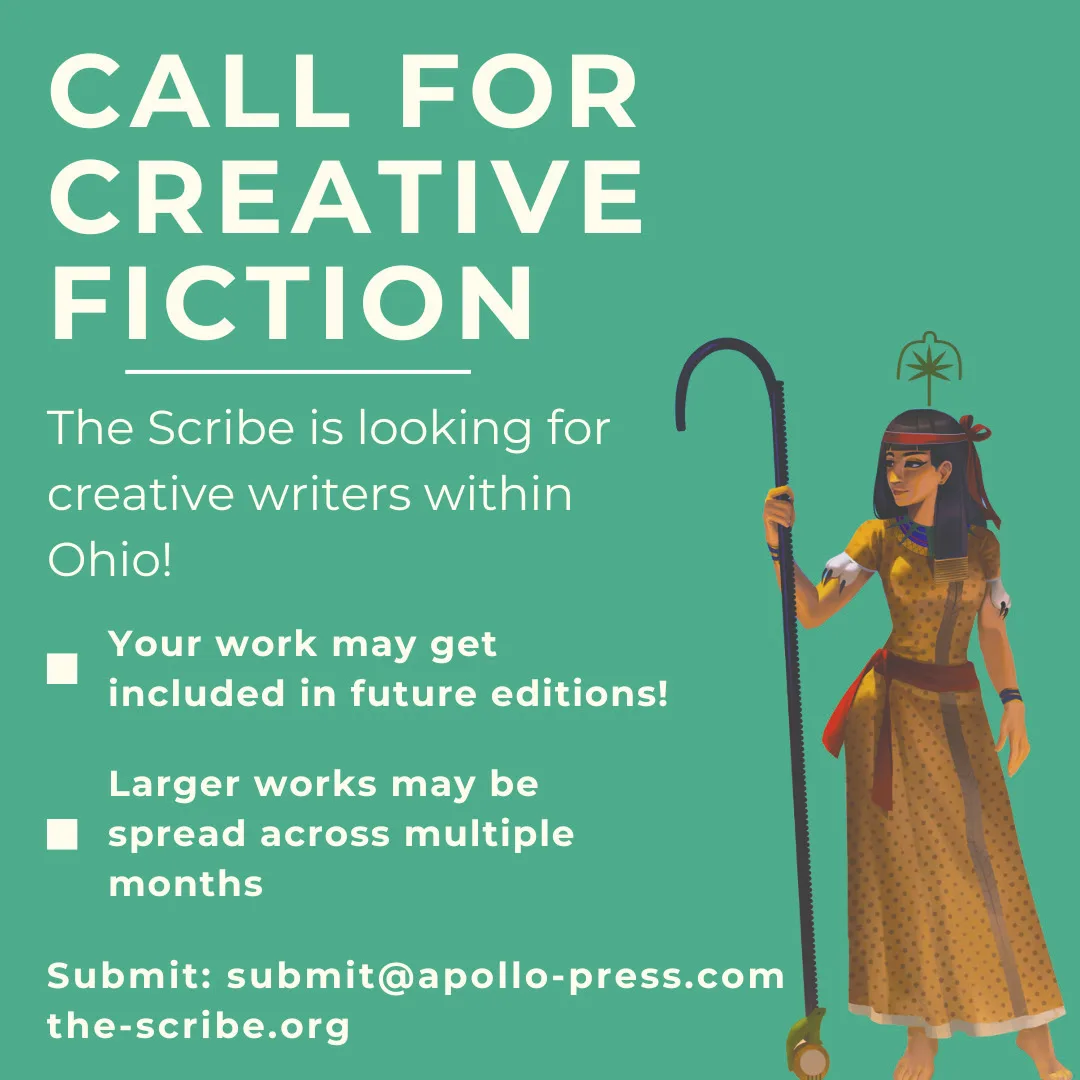
Call for Creative Fiction
The Scribe is looking for creative writers within Ohio!
- Your work may get included in future editions!
- Larger works may be spread across multiple months
Submit: [email protected] or the-scribe.org
Freelance Writers Wanted!
800-1000 words! $0.28/word
The Scribe is looking for experienced arts journalists to cover visual arts, creative communities, and cultural development across Ohio. We're interested in writers who can dig deeper than event coverage, who understand the difference between journalism and promotion, and who can make arts infrastructure and creative practice accessible to general readers.
We cover community impact, local history, art education, civic arts systems, wellness through creativity, and cultural perspectives. If you have clips that demonstrate reporting skills and a commitment to balanced, source-driven journalism, we want to hear from you.
Send pitches and writing samples to [email protected] Read our full guidelines at the-scribe.org/freelance
The Scribe is a monthly arts publication that is created and published under the 501(c)(3) nonprofit Apollo Press.
It is the first Ohio-wide visually-designed arts newspaper! Stocked in locations without paywalls for our readers, The Scribe makes Ohio art visible and accessible to the public.
SUPPORT THE SCRIBE!
Help showcase Ohio art! Consider donating or sponsoring this publication!
Jeffrey Darah President and Editor 419-470-9489 [email protected]
Audrey Johnson Community Liaison
Dylan Sarieh CFO, Secretary, and Editor 567-277-5659 [email protected]
STAY UP TO DATE!
Weekly email highlights from Ohio's arts community
Local Art Coverage in Your Inbox:
- Gallery openings
- Theater premieres
- Artist spotlights
- Weekend events
- and more!
Opportunities Bulletin
Artist Opportunities across Ohio: deadlines, calls, prizes & grants
2026 Artist Projects Grant, Round 2
Greater Columbus Arts Council
- Up to $10,000 per artist; filmmakers up to $25,000
- Approx. 75 artists will receive awards
- No application fee; community-reviewed
- Projects must take place in the City of Columbus
- Contact: [email protected] or (614) 224-2606
- Due: August 25, 2026
27th Tremont Arts & Cultural Festival
Tremont West Development Corp., Cleveland
- Saturday, September 19, Lincoln Park, Cleveland
- 21 media categories; juried; ~100 booth spaces
- $35 application fee; 5 work images + 1 booth photo
- All Ohio artists encouraged to apply
- Apply at trepeaceart.org
- Due: June 11, 2026 (via ZAPP)
Solo & Group Exhibitions, 2027-28
Summit Artspace, Akron
- No application fee
- Summit County or adjacent counties (Cuyahoga, Geauga, Medica, Portage, Stark, Wayne)
- Solo, Member Gallery, Group, Texture & Intersections
- Install max 7 high; components under 50 lbs
- Contact: [email protected]
- Due: June 15, 2026
Funds for Artists
Greater Columbus Arts Council
- Resources: materials, professional development, marketing
- Non-competitive; reviewed by GCAC staff
- Franklin County artists, 18+
- Accessibility support via Art Possible Ohio
- Contact: [email protected] or (614) 224-2606
- Due: Rolling (Min-$200/772161)
Rapid Action Grant
Assembly for the Arts, Cleveland
- Up to $2,000 per artist
- Cuyahoga County-based artists, 18+
- Decision within ~2 weeks; funds in 30 days
- For public events, projects, unexpected creative costs
- Contact: [email protected]
- Due: Rolling (until funds exhaust)
2026 Akron Poetry Prize
University of Akron Press
- $1,200 prize + publication in the Akron Series in Poetry
- Manuscript 48-100 pages
- $25 entry fee; submit via Submittable
- Final judge: Brenda Shaughnessy
- Contact: [email protected]
- Due: June 15, 2026
Hollis Summers Poetry Prize
Ohio University Press, Athens
- $1,000 prize + publication by OU Press
- Manuscript 64-80 pages, single-author unpublished poetry
- $30 entry fee; submit via Submittable
- General editor: Sarah Green
- Named for the Ohio-born poet (1916-1987)
- Due: Dec 31, 2026
Emerging Artist Program
McDonough Museum, Youngstown
- No application fee
- Must live within 250 miles of Youngstown
- 4-10 images of work
- Emerging visual and performing artists
- Exhibition space provided at no cost
- Due: Rolling submissions
List your call in 200 locations across Ohio.
Share your call for artists, gallery event, or community art opportunity with a statewide audience.
Standard Listing: FREE Premium Listing: $43
the-scribe.org/bulletin
The Festival That Never Really Left: Reclaiming a 60-Year Tradition
By The Scribe Editorial Staff
A Return to Form
In October 2025, Toledo GROWs announced that the Crosby Festival of the Arts, long considered Ohio's oldest outdoor juried art show, would leave Toledo Botanical Garden after nearly six decades. The festival would relocate to Schedel Arboretum and Gardens in Elmore, shift from its traditional late-June weekend to the first weekend in October, and be managed by the Schedel Foundation going forward.
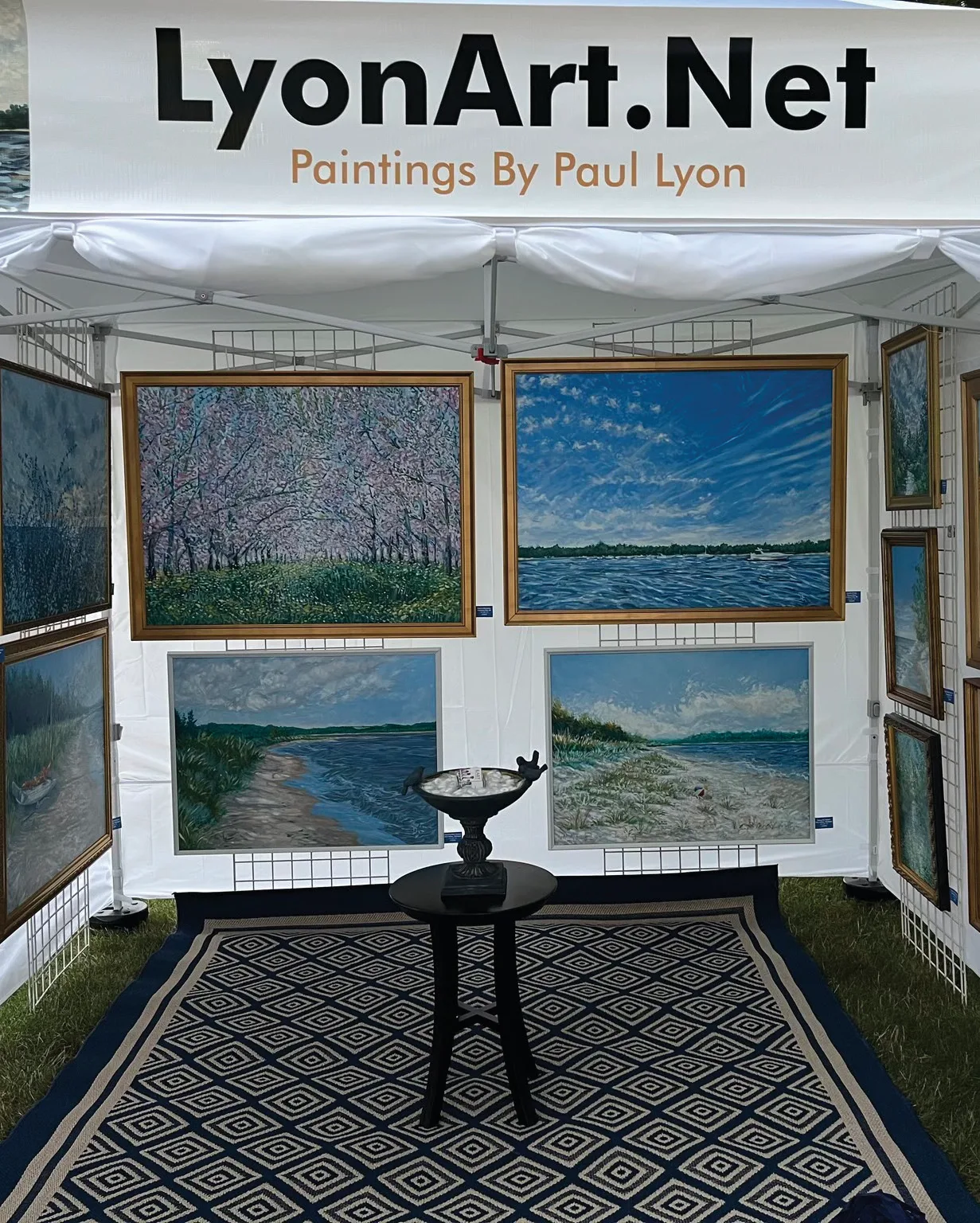
For most of Toledo, it looked like a loss. For Paul Lyon, president of the Toledo Artists' Club and Gallery, it looked like an opportunity to correct the historical record.
"When we heard that the Crosby Festival was leaving, we talked to the Garden because we felt that was something nobody liked," Lyon said. The club, which has been headquartered at the Botanical Garden since 1979, moved quickly. By January 2026, it had announced the Toledo Festival of the Arts, a new event on the old weekend, June 27 and 28, at the same site, with free admission and more than 135 artists. The name is not new. It is, Lyon argues, the original.
A Paper Trail Back to 1966
The Toledo Artists' Club's claim to the festival's origins is not just institutional memory. It is documented.
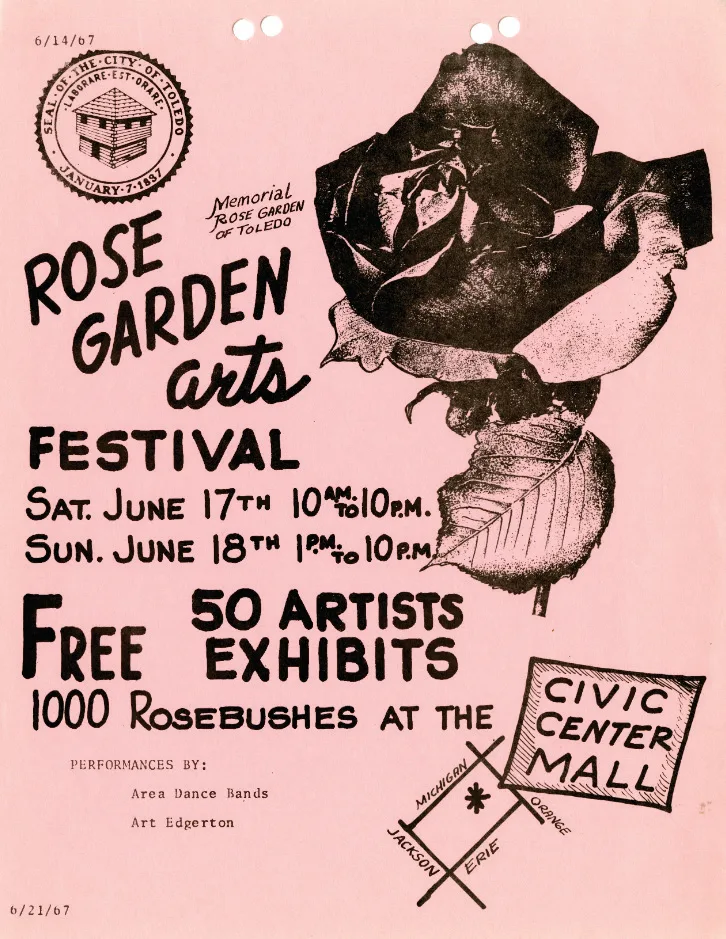
Lyon traced the lineage through the University of Toledo's Canaday Library archive, where he found records of the club staging the Rose Garden Art Festival in downtown Toledo beginning in 1966. The event was held at the Civic Center Mall near the intersection of Erie and Jackson streets, organized in partnership with the City of Toledo's Department of Forestry under Commissioner Richard W. Boers. A 1967 flyer for the festival advertises 50 artists, free exhibits, 1,000 rosebushes, and performances by area dance bands, all under the Seal of the City of Toledo.
Internal correspondence from that period fills in the picture. A memo dated May 12, 1967, from Louis M. Thomson Jr., the city's Director of Public Information, confirms logistics for the Rose Garden Arts Festival's second year. A letter from Mayor John W. Potter, dated January 30, 1967, calls a planning committee meeting for the "Second Annual Rose Garden Arts Festival" in City Council chambers. And a July 1967 thank-you letter from Toledo Artists' Club president Cardella Treece to Commissioner Boers offers a direct organizational link: the club ran the festival, the city supported it, and they were already planning for 1968.
The Rose Garden Art Festival ran downtown from 1966 to roughly 1970. In the 1970s, it moved to what was then called Crosby Park, the 20-acre former horse farm that George P. Crosby had donated to the City of Toledo in 1964. Under its new setting, the event became the Toledo Festival of the Arts.
The name drifted with the landscape. As Crosby Park evolved into Crosby Gardens and then Toledo Botanical Garden through the 1980s, the festival absorbed the name of its surroundings. By the time most current Toledoans became aware of it, it was simply the Crosby Festival.
What Changed, What Stayed
The 2026 Toledo Festival of the Arts is not a replica of the Crosby Festival. Several changes are deliberate.
The most visible is free admission. The Crosby Festival charged $12 to $15 per person in recent years. Lyon's calculation is straightforward: two people paying $30 at the gate is $30 not spent on art. "We'd rather see them spend that $30 on art," he said. "Yes, this is a fundraiser for the art club, but it doesn't
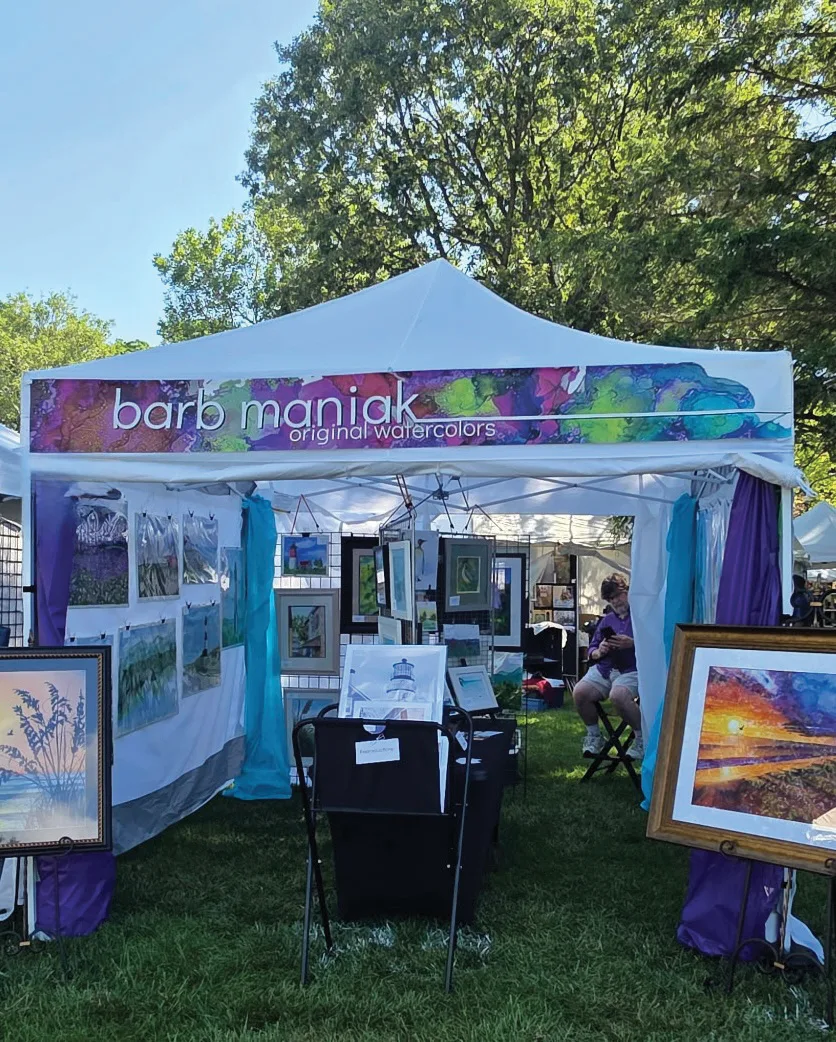
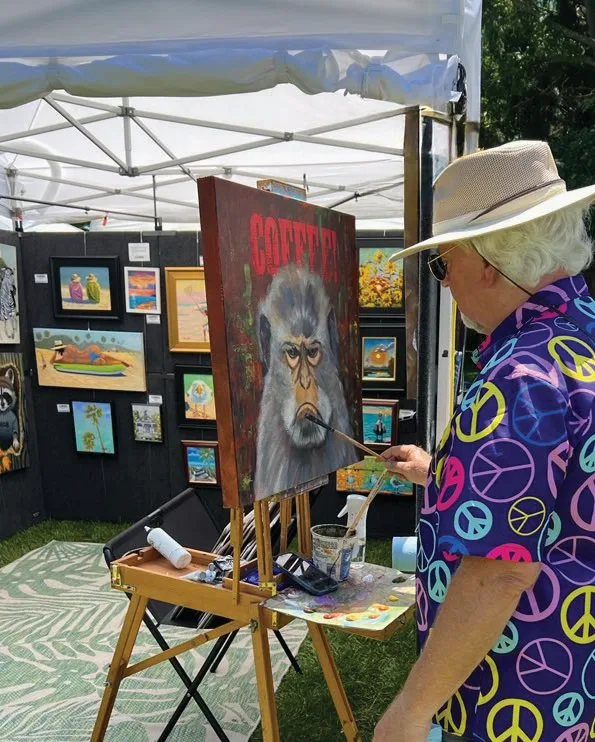
The festival has also moved within the Garden, from the grassy interior to the paved area near the Bancroft Street entrance, surrounded by the Garden's prairie exhibit. The surface change addresses longstanding complaints about mud and accessibility. The paved lot offers wheelchair access, easier setup and teardown for artists, and better footing in rain.
For the first time, all of the artist guild buildings within Toledo Botanical Garden will be open during the festival. Under previous management, the guilds, including the Toledo Artists' Club itself, were closed during the event. This year, some guilds are also setting up their own tents as exhibitors. The club's gallery will host a retrospective exhibition of work by notable Toledo artists, drawing from its own collection, which spans 50 to 60 years.
TARTA shuttle service will run from the Meijer on Central Avenue to the Garden, providing transportation for visitors who enter from either the Elmer Drive or Bancroft Street side.
Plein Air as a Bridge
A new Plein Air painting competition is designed to solve a spatial problem. The festival show will occupy the Bancroft entrance area, but the artist guilds and the club building are across the Garden, past a bridge. Lyon wants the Plein Air artists scattered throughout the grounds so that visitors moving between the two zones encounter painters working in real time along the way. "We're trying to make full use of the Garden," Lyon said.
Artists will paint live outdoors all day Saturday, and visitors will vote for their favorite work on Sunday. The winning artist receives a $500 Popular Choice Award.
The Toledo Festival of the Arts takes place June 27 and 28, 2026, at Toledo Botanical Garden (Bancroft Street entrance). Admission is free.
Kim Elliott Paints Her Own Way
From Stone and Wood to a Life in Color
By Jeffrey Darah
Kim Elliott first took art seriously through sculpture. About 35 years ago, she was carving soapstone and wood and had even begun selling some of the work. Then an early case of osteoarthritis in her right hand made carving difficult to continue. Painting gave her another path.
"I had to change media because of the problem in my hand," Kim said. "And I just really wanted to paint because of the color also involved. I love color, and I was starting to have ideas about images that would be good in paintings, that wouldn't really be conveyed in sculpture anyway. So I just started."
Color had been with her since childhood. Her parents had large books on Gauguin and Van Gogh, and Kim remembers sitting cross-legged on the floor, studying the full-page reproductions. Gauguin remained a favorite. Later, she was drawn to Chagall, Van Gogh and the Fauves. Her submitted statement also names Rousseau and artists of the Naive school as influences.
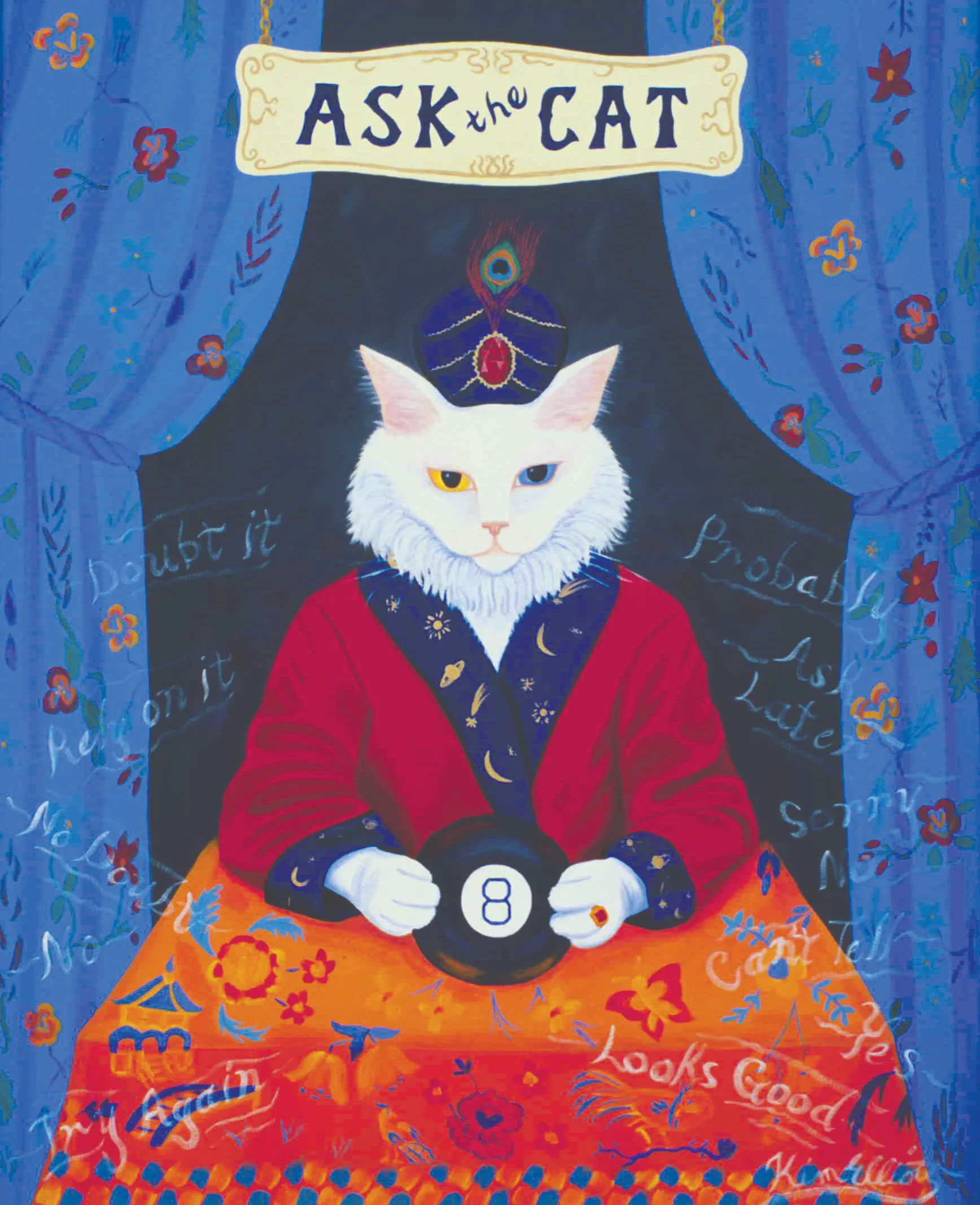
Kim describes herself as self-taught, but not isolated from other artists. In her submitted statement, she wrote that "no one is entirely self-taught." Her favorite genre is magical realism, and her paintings often include spiritual or magical elements, nature and, at times, environmental or social themes.
She was born in Oxford, Mississippi, grew up mostly in Illinois, attended Harvard, went to graduate school in Columbus and later completed post-graduate training in northern California. A year in Cairo, Egypt, during her 20s has also influenced her art and worldview.
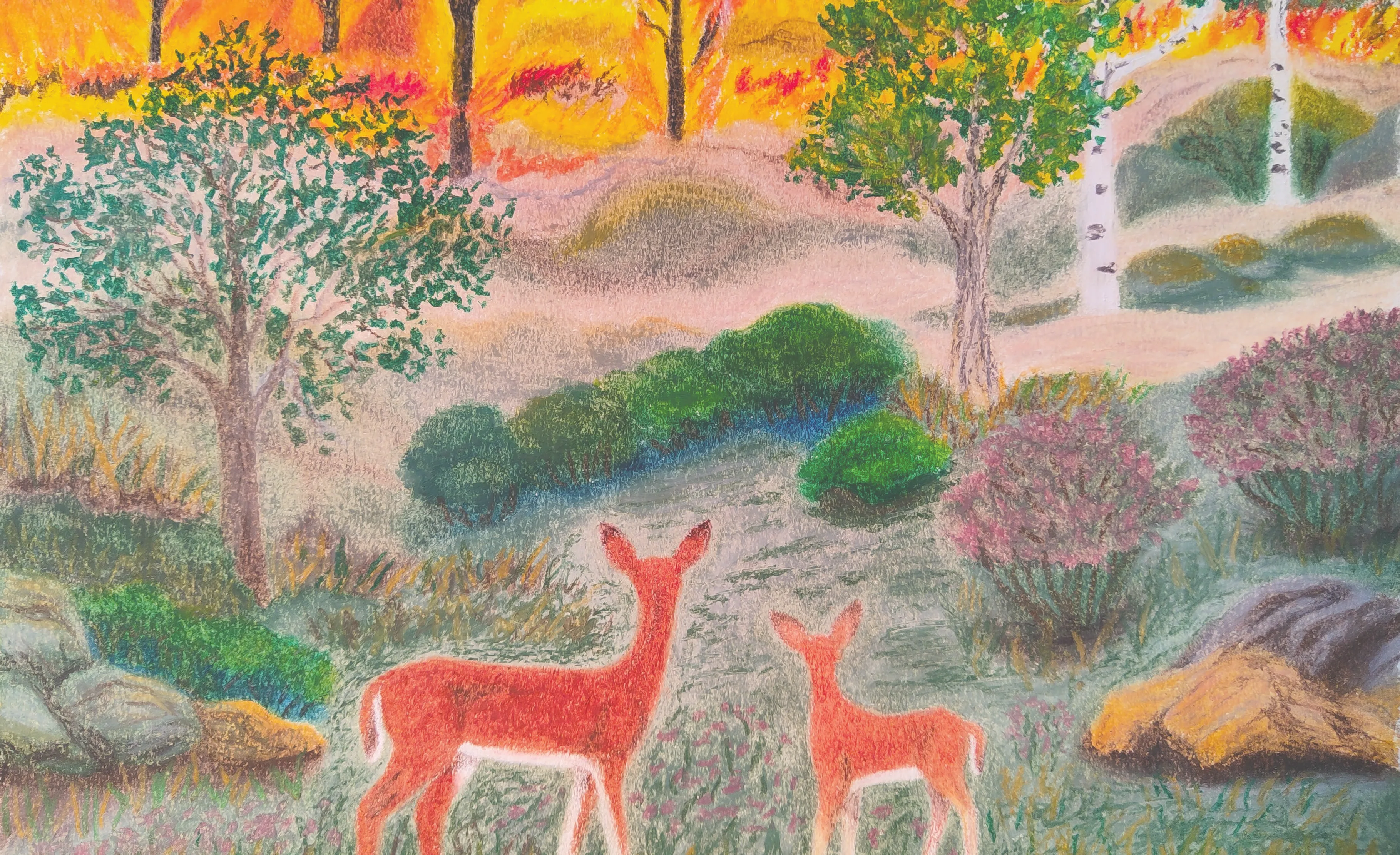
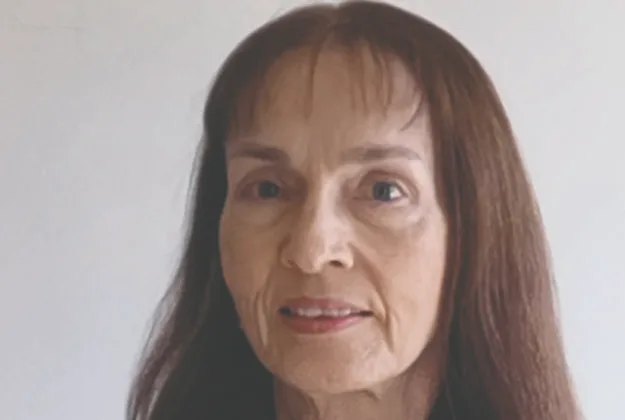
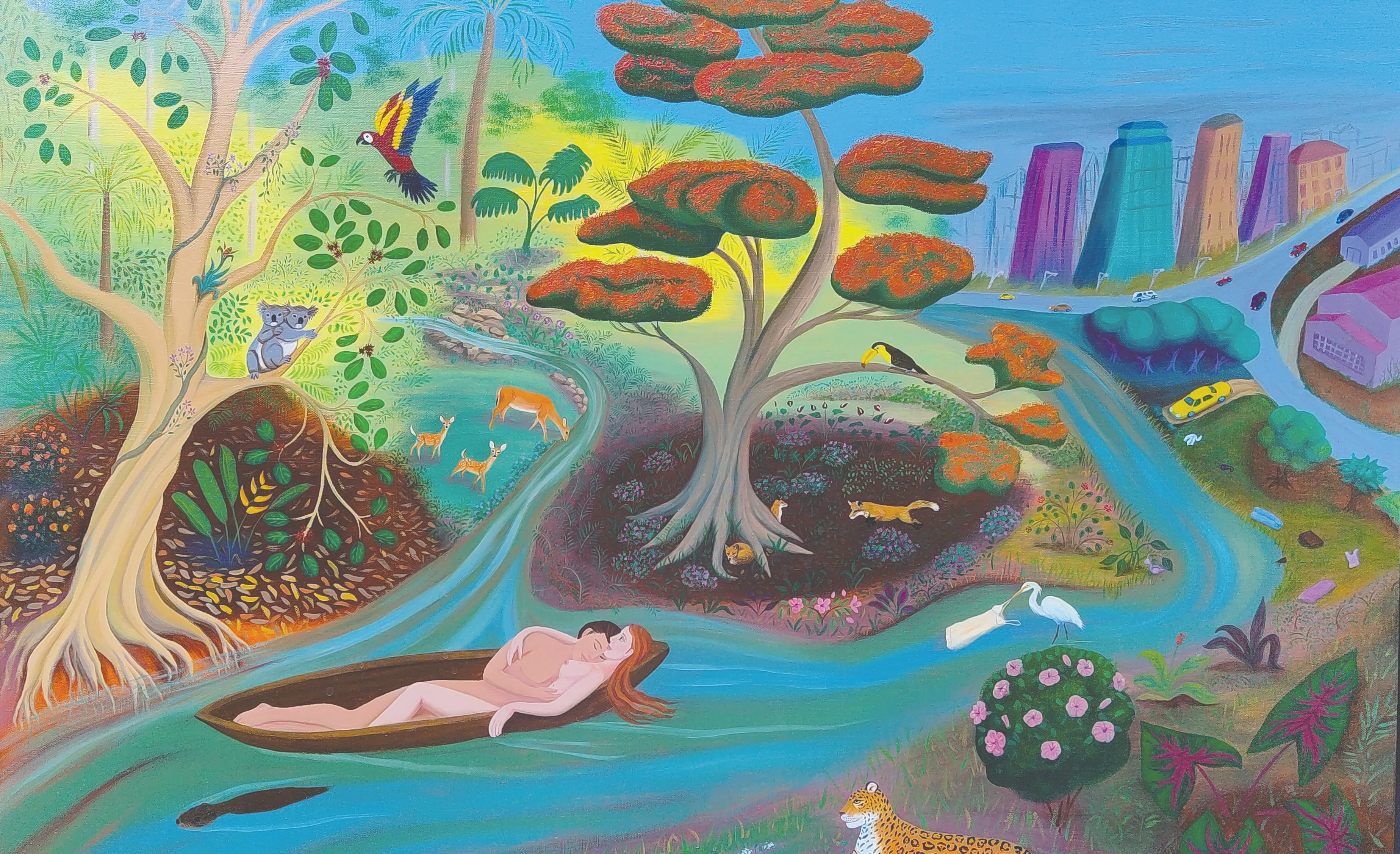
Ohio artist Kim Elliott paints magical realism in oils, watercolor and oil pastel, with work shaped by vivid images, layered color and years of juried exhibition experience.
Kim works slowly. Some paintings take a month. Others take as long as nine. She often works on more than one piece at a time, but one image usually takes most of her attention.
"I'm pretty methodical, because I usually start with a very specific image, and I may add to it along the way," Kim said.
She often begins with a thought she wants to get across, especially in magical realism. From there, the work moves through what she calls her three C's.
"I always say, for my three C's, I came up with this myself, it's nothing new, though, but: Concept, Composition, and Color. Those are the three C's that I live by in art," Kim said.
For most of her career, Kim painted in oils. In recent years, she added watercolor and oil pastel. Each medium gives her a different problem to solve. Oil is messy but familiar. Watercolor is easier to clean up, but difficult to control. Oil pastel is easier in some ways, but harder to correct.
"I like having the three media, because you can get tired of one, you know," Kim explains.
She is also trying textured surfaces with modeling paste. One recent painting used a coarse surface on an 18-by-30-inch piece. Now she is working with a smoother texture on a foggy urban scene, a shift from the nature-based settings she uses more often.
"Being an urban scene, you've got the perspective and the proportions and everything that you don't have to worry about when you're doing a nature scene," Kim said. "Looking forward to that. It's going to be fun."
Finding New Eyes Through Shows, Galleries and Rejection
Because Kim is self-taught, she has tested her work through juried exhibitions in Ohio, nationally and internationally. Her submitted statement lists awards in regional and national exhibitions, two artist-in-residence fellowships from the National Park Service, and exhibitions including the Butler Institute of American Art's Mid-Year Exhibition, the Bryn Du Annual Exhibition and Visions VIII International Art Exhibition.
Commercial galleries have represented Kim in Central Ohio, and she had a 15-year relationship with Art Pannonia in Blacksburg, Virginia. The gallery's owner, a Hungarian immigrant, responded strongly to her work.
"I always had a feeling that Europeans would get my work, would respond to it more easily, more strongly, than most Americans," Kim said.
Art Pannonia gave her two solo shows and often kept some of her work visible even when other shows were up. Kim valued that because collectors often discover work by chance.
"We rely on those people who happen to see your work and say, 'Oh, I've got to have that,'" Kim said.
The gallery later closed after the owner suffered a severe stroke. Other galleries that represented Kim also closed, either through business failure or health problems. Those experiences shaped what she thinks artists need from representation: someone who keeps bringing work to "new hands, new eyes." For Kim, a gallery needs to keep putting work in front of new people.
Kim gives emerging artists direct advice: keep going, and expect rejection. "You have to be prepared for rejection," Kim said. "Rejection is part of the deal, and it's how you learn what's really you, and how you build your faith in yourself and keep trying."
At the time of her submitted update, Kim had work in several Ohio exhibitions, including "The View" at Rosewood Arts Center, "Femme Eclectique IV" at Pennington Custom Art and "Mindful: the Art of Tranquility" at Broad Street Presbyterian Church.
Seshat's Calendar
Art Events for June 2026
View the live calendar at the-scribe.org/calendar
Toledo
- Toledo Symphony: Appalachian Spring & Adagio for Strings - Jun 4, 8PM @the Peristyle
- Old West End Festival (53rd Annual) - Jun 4-7 @Historic Old West End
- From Asia to the World: Ancient to Contemporary (Closing) - Through Jun 7 @Toledo Museum of Art
- Party in the Park Free Concert Series (Fridays) - Jun 5, 12, 19, 26 @Promenade Park
- A Beautiful Noise: The Neil Diamond Musical - Jun 14-21 @Stranahan Theatre
- Toledo Festival of the Arts (60th anniversary) - Jun 27-28 @Toledo Botanical Garden
- Glass Pavilion: Daily Glassblowing Demos - Through Jul 5 @TMA Glass Pavilion, Gallery 6
- Toledo Ballet Summer Intensive - Jun 15-19 @Toledo Ballet
Columbus
- Short North Gallery Hop - Jun 6, 4-9PM @Short North Arts District
- "Between the Walls" (Joell'e Estrada) - Jun 6-27 @Stonewall Columbus
- Park Street Festival (9th annual) - Jun 12-13 @Park Street District
- Columbus Arts Festival (64th annual) - Jun 13-14 @Scioto Mile Riverfront
- Picnic with the Pops: Ledisi - Jun 15, 8PM @Columbus Commons
- CAPA Summer Movie Series: Victor! Victoria - Jun 18, 7:30PM @Ohio Theatre
- Picnic with the Pops: Wyclef Jean - Jun 28 @Columbus Commons
- Picnic with the Pops: Tom Petty Tribute - Jun 29 @Columbus Commons
- Greater Columbus 2026 Visual Arts Fellowship Exhibition - Through Sep 20 @Columbus Museum of Art
Cleveland
- Apollo's Fire: HISPANIA! (countryside version) - Jun 5-8 @St. Paul's Episcopal, Cleveland Heights
- Cleveland Pops: 250th Celebration - Jun 6, 7:30PM @Mandel Concert Hall, Severance
- The Great Gatsby (KeyBank Broadway Series) - Jun 9-28 @Connor Palace, Playhouse Sq.
- Parade the Circle (annual community parade) - Jun 14, 12-3PM @Wade Oval, University Circle
- Trombone Shorty & Orleans Avenue w/ Tank & The Bangas - Jun 14, 7PM @Cain Park Evans Amphitheater
- Solstice 2026 (CMA's 110th Birthday) - Jun 20, 7-11:59PM @Cleveland Museum of Art
- Tri-C JazzFest Cleveland (47th annual) - Jun 25-27 @Playhouse Square venues
- Manet & Morisot - Through Jul 5 @Cleveland Museum of Art
The Brief
Recent Arts News from Across Ohio
Read more online at the-scribe.org/brief
Anisfield-Wolf Book Awards crown four debut authors in a landmark 2026 cycle
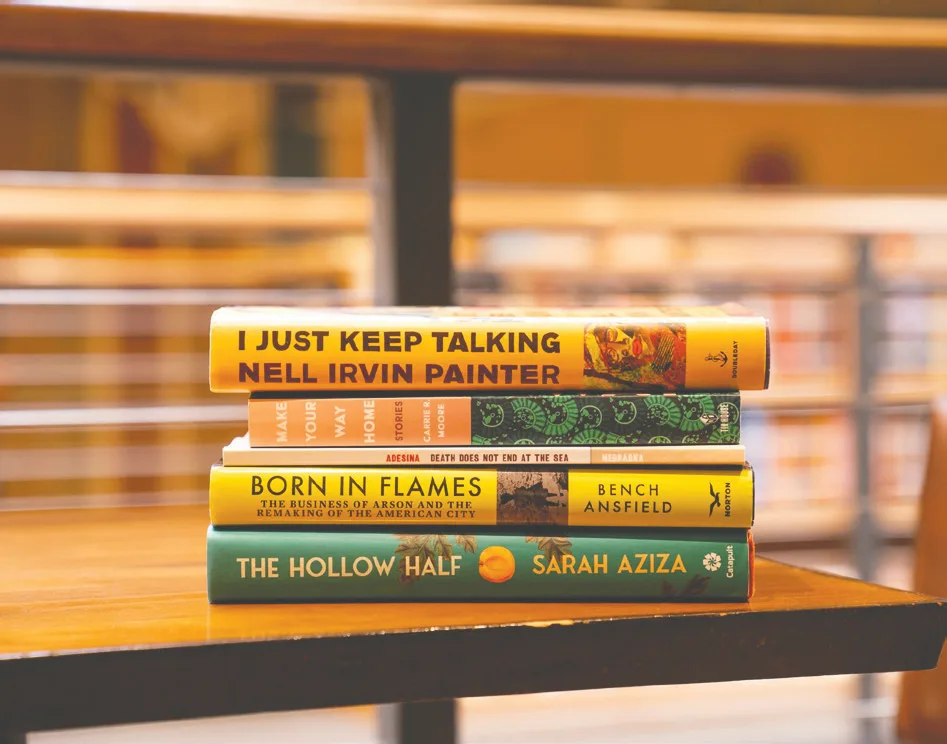
The Cleveland Foundation's Anisfield-Wolf Book Awards named four debut authors as 2026 winners on April 15: Carrie R. Moore-Dickson, Make Way; Menal, Beach Arshad (nonfiction, Born in Flames); Sarah Klaas (memoir, The Hidden Half); and George Makana (poetry, Death Was Not End of the Sun). Historian received the Lifetime Achievement Award. Jury chair Natacha Trethewey called the slate "a landmark" for a prize that has, for 90 years, recognized works confronting racism and celebrating the diversity of humanity.
Source: Cleveland Foundation, anisfield-wolf.org
Karamu House launches CEO search as Tony Sias pivots to artistic director
The Cleveland-based Karamu House announced on May 12 that Sias, president and CEO since 2021, will move to a newly defined artistic director role. CEO Hasani Sharpard served as interim president while a national search began. The shift follows El-Amin's milestone at innovations and Karamu's 105th affiliate season with Playhouse Square.
Source: Crain's Cleveland Business
Tavares Strachan's first U.S. museum survey opens at CMA Pizzuti
"The Day Tomorrow Began" debuted May 10 with a 26-foot shuttle-capsule sculpture installed in the Broad Street atrium. The National Artist's body of work, spanning sculpture, neon, and installation, has had no prior American museum survey of this scale.
Source: Columbus Museum of Art
Headlines
- Ohio Arts Council approves $375K for 77 artists in FY26 Individual Excellence Awards - 469 applications; artists selected from all disciplines across the state. oac.ohio.gov
- Cuyahoga Arts & Culture distributes $12.5M to 300+ organizations - Countywide arts funding; 2025 Operating Support grants assemblycle.org
- Akron Art Museum hosts only Midwest stop of Kent Monkman survey - Kent Monkman: History Is Painted By the Victor; a solo exhibition investigating rebirth American history; runs through August 14. Includes artist talk and panel presentation. akronartmuseum.org
- Cincinnati Playhouse unveils inaugural Made in Cincy: New Works Festival - The 2026 festival presents premieres of new plays; includes "That" (Part 1-to-12), launching the Playhouse's first-ever new play festival. cincyplay.com
- Cleveland Play House and Seattle Rep co-premiere "Freak the Mighty" - New musical: a production of Rodman Philbrick's 1993 YA book comes May 30 to the Allen Theatre, closing CPH's 2025-26 season. clevelandplayhouse.com
- Dayton Art Institute restores all 14 William R. Johnson "Fighters for Freedom" paintings - First complete set; reprinting the Civil War-themed figurative series to its original gallery; opens June 27 at a landmark rededication of the artist's studio. daytonartinstitute.org
In Brief
- Toledo Museum begins partial closure June 4 for lower-building renovations.
- ArtsWave awards $240,796 to 24 Cincinnati artists through Inspire Grants.
- Ohio University names Courtney Razor interim director of the Kennedy Museum of Art.
- April Sunami named 2026 Aminah Robinson Artist Fellow by CLSC.
- Taft Museum: "The Scandinavian Home: Landscapes and Lives" June 12.
- Cleveland Orchestra's Youth Orchestra unveils 40th anniversary 2026-27 season.
What the Kilns Left Behind in America's Pottery Capital
By Camille Sipple
The Industry That Built East Liverpool
Nestled along the north bank of the Ohio River, East Liverpool rests where the fires of a once-booming pottery industry once lit the town day and night.
Known as the "Pottery Capital of the Nation," East Liverpool became the heart of America's pottery industry from 1840 to 1930. At its peak, the city produced over 50% of the country's ceramics and dinnerware. More than 200 pottery factories operated in East Liverpool over the years, shaping both the local economy and the identity of the town.
Even as factories closed and production moved overseas, East Liverpool refused to let its history disappear with them.
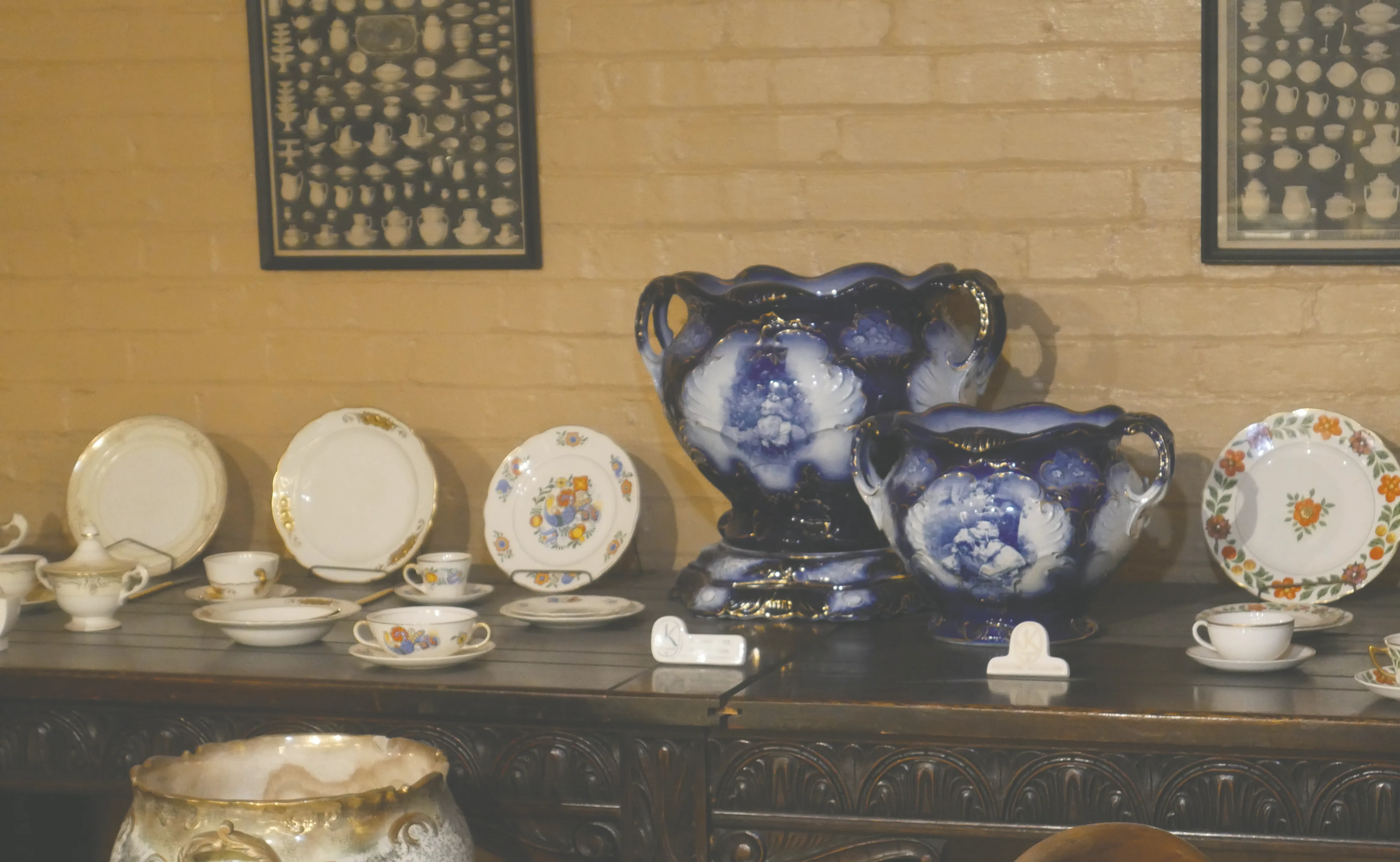
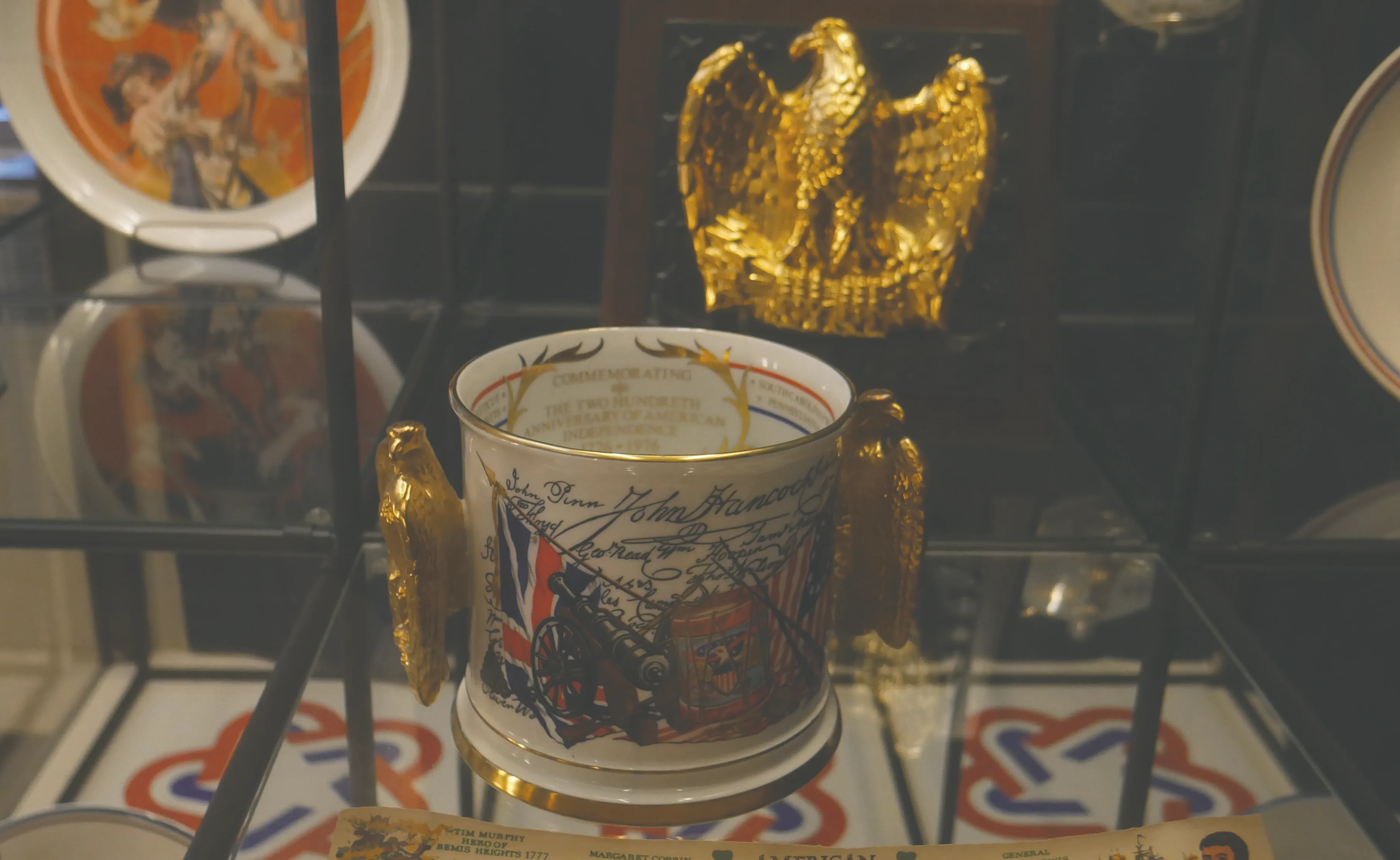
The Museum of Ceramics made its home in East Liverpool's ornate former post office and officially opened to the public in 1980. Inside the museum, shelves of locally made ceramics trace the story of a town once shaped almost entirely by clay.
The collection includes Lotus Ware bone china, Fiesta Ware and other pieces produced in the area. Visitors can also explore exhibits showing how pottery factories functioned during the height of East Liverpool's industrial production.
"It shows the craftsmanship and skill that residents in the area had, and some still do have. We only have one remaining pottery in the area, which is Fiesta Tableware Company," Director of the Museum of Ceramics, Megan Coil said. "I just think it's a nice place for people to come, especially locals, and see what built our town."
Rich clay along the riverbanks and easy transportation along the Ohio River helped transform East Liverpool into a ceramics powerhouse in the 19th century. East Liverpool was a town, like many in Ohio, built entirely on one industry.
From Industrial Collapse to Community Reinvestment
"Then when the industry collapsed, so did the town in a sense," Coil added.
Today, residents in East Liverpool continue working to reinvest in the community, with the city's pottery history playing a major role in that revitalization. Becky Odom, the manager of the Curatorial Department at the Ohio History Connection, says the Museum of Ceramics has helped reconnect the city with its industrial roots.
"A lot of that investment is around that pottery history, kind of reclaiming that history, reclaiming that pride in your community," Odom said.
Students in East Liverpool are now learning how the same clay that built their city also shaped generations of local families. With hands-on workshops and summer camps at the Museum of Ceramics, kids as young as 8-years-old are getting the chance to experience pottery-making for themselves while also learning about the craft that once defined their hometown.
The Clay Academy is a week-long program the museum hosts each summer to teach children about the town's pottery history and show them how to design and build ceramic pieces of their own using a pottery wheel. Kids from 8 to 14-years-old are invited to participate each summer.
"Especially if you're a local resident, it's a nice way to connect with our past, and with pride," Coil said.
How East Liverpool Keeps Its Pottery Tradition Alive
Throughout the year, the museum hosts ceramics classes, artist discussions, and community events aimed at keeping East Liverpool's pottery heritage connected to modern community life.
"I think it's a struggle that a lot of museums are facing these days. How do you compete with all of the options folks have? The Museum of Ceramics has really recommitted to being an active participant in revitalizing East Liverpool," Odom said. "They're really dedicated to making sure history is part of the community."
"We need to understand the past in order to shape the future. So understanding our roots, where we came from, understanding challenges people faced," Odom said. "All of that helps us to make better decisions in the future."
In an era when most manufacturing happens far from public view, pottery workshops give visitors a rare hands-on look at how everyday objects are made while helping connect them to the city's artistic and industrial past.
Upcoming workshops include ceramic bird feeders, board games, and tea lights, alongside trivia nights and occasional musical performances.
To anyone who is wary of trying their hand at pottery, Coil says, "just try it."
"Don't be afraid to get your hands dirty, because it's gonna get messy," Coil said. "But it's a lot of fun."
The Museum of Ceramics, located at 400 East 5th St. in East Liverpool, is open Tuesday through Saturday from 9 a.m. to 3:30 p.m. as part of the Ohio History Connection's network of historic sites.
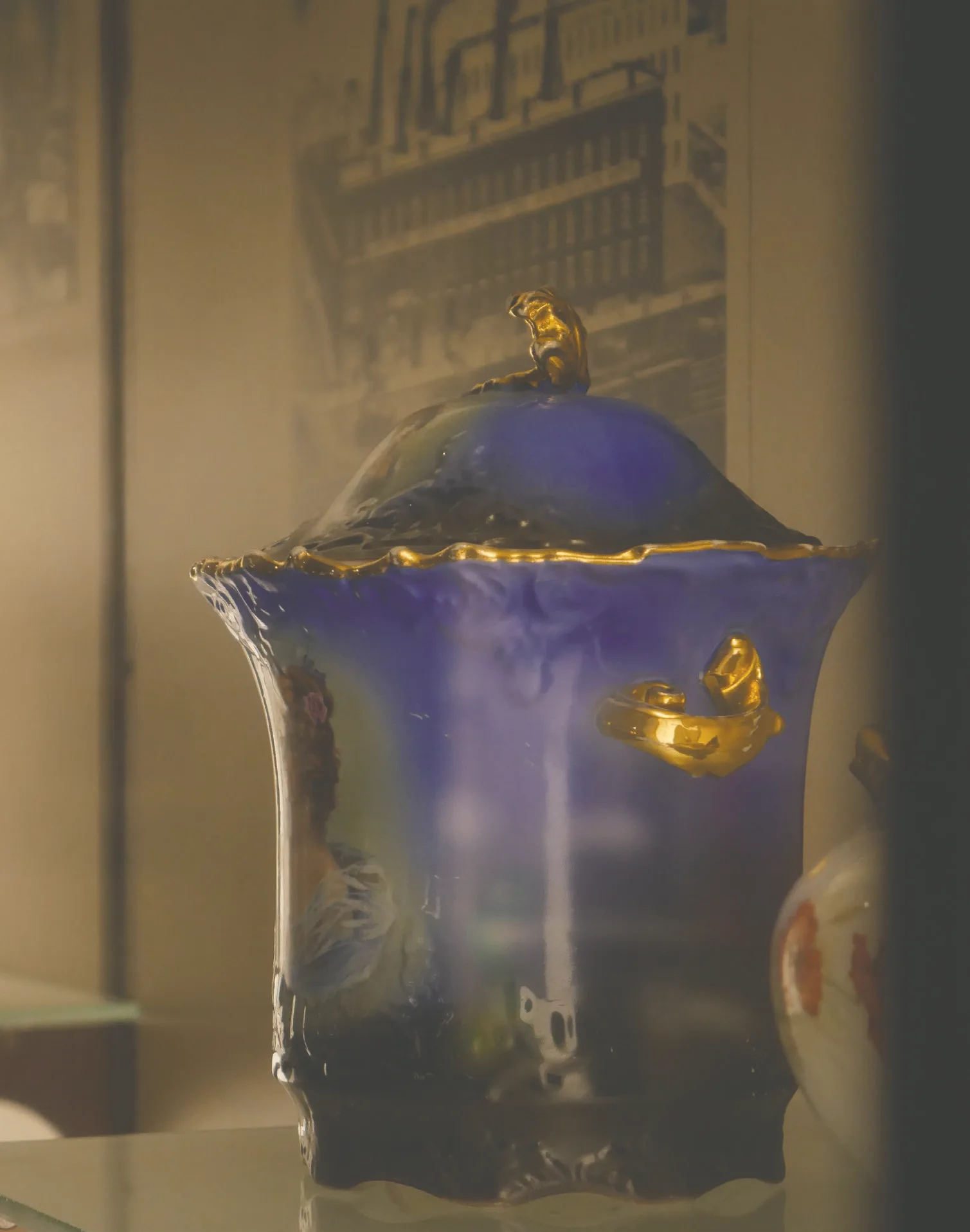
Art Loop Kicks Off Watershed Weekend
By Heather Denniss
Date: June 11-14, 2026 Address: International Cove, Glass City Metropark Upriver, Toledo, OH Hours: Market: 4 PM-Close; Performances: 5-9 PM
Art and Water Converge at International Cove
Metroparks Toledo will hold Watershed Weekend from June 11 to 14, marking the halfway point of the Glass City Riverwalk project and the unveiling of International Cove along the Maumee River, directly across from downtown Toledo.
The Arts Commission of Greater Toledo will help open the weekend with its first Art Loop of the season.
Michelle Harvey, Art Loop and Events Manager for the Arts Commission of Greater Toledo, said Art Loop has been taking place for decades, evolving from gallery visits on foot or by bus into new formats before being interrupted by the coronavirus pandemic. Now back in full swing, the series includes outdoor, indoor and mixed-location events.
According to the Arts Commission's website, Art Loop began in 1991 as gallery walks connecting the public to art in the community. It later evolved into a themed seasonal series featuring live music, interactive art and street fairs.
Metroparks Toledo asked the commission to help kick off Watershed Weekend and dedicate the 15-foot interactive Starburst statue at International Cove beginning June 11.
Visit the-scribe.org/watershed26 for more info on Watershed Weekend.
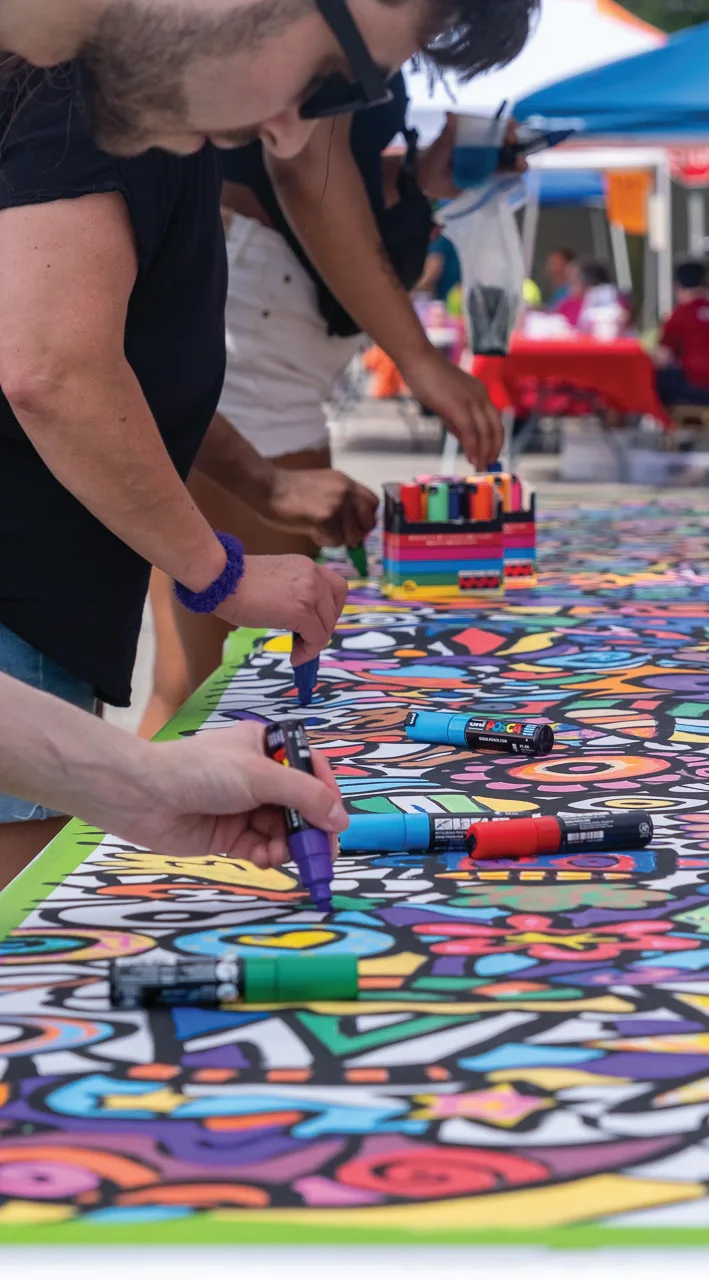
Metroparks Toledo, which has pledged to place a park within five miles of every Lucas County resident, has taken over the city's 40-year-old International Park and incorporated it into Glass City Metropark and the Glass City Riverwalk project. Glass City Metropark has been open for several years, while the Riverwalk has now reached its halfway point.
The park and Riverwalk sit just across the Martin Luther King, Jr. Bridge, which links downtown Toledo to East Toledo. For years, East Toledo has often felt separated from the city's larger development conversation, despite the bridges connecting it to the north, south and west sides.
In the last decade, attractions such as the National Museum of the Great Lakes, Middlegrounds Metropark and new Metroparks development have helped draw more attention to the riverfront and the city's east side. Watershed Weekend will celebrate that progress, with the full 10-year Riverwalk project expected to be complete in 2030.
Metroparks Toledo also brings music and performance into its parks through programs such as concerts at Wildwood Manor House, pop-up lawn concerts, Jazz in the Garden at Toledo Botanical Garden and performances by Toledo Opera resident artists.
Still, Metroparks' main focus is parks. As Scott Carpenter, public relations director, explained, Metroparks looks to arts partners to help bring art into those spaces.
At International Cove, the Riverwalk becomes a place for public space and public art.
That is where the Arts Commission of Greater Toledo comes in. Founded in 1959 as the City Culture Commission, it is the longest-standing public arts commission in Ohio.
"We've had successful Art Loops with them in the past," said Chloe Nousias, marketing and communications manager for the Arts Commission.
An International Celebration
At International Cove, also known as Glass City Metropark Upriver, the Art Loop will carry an international theme.
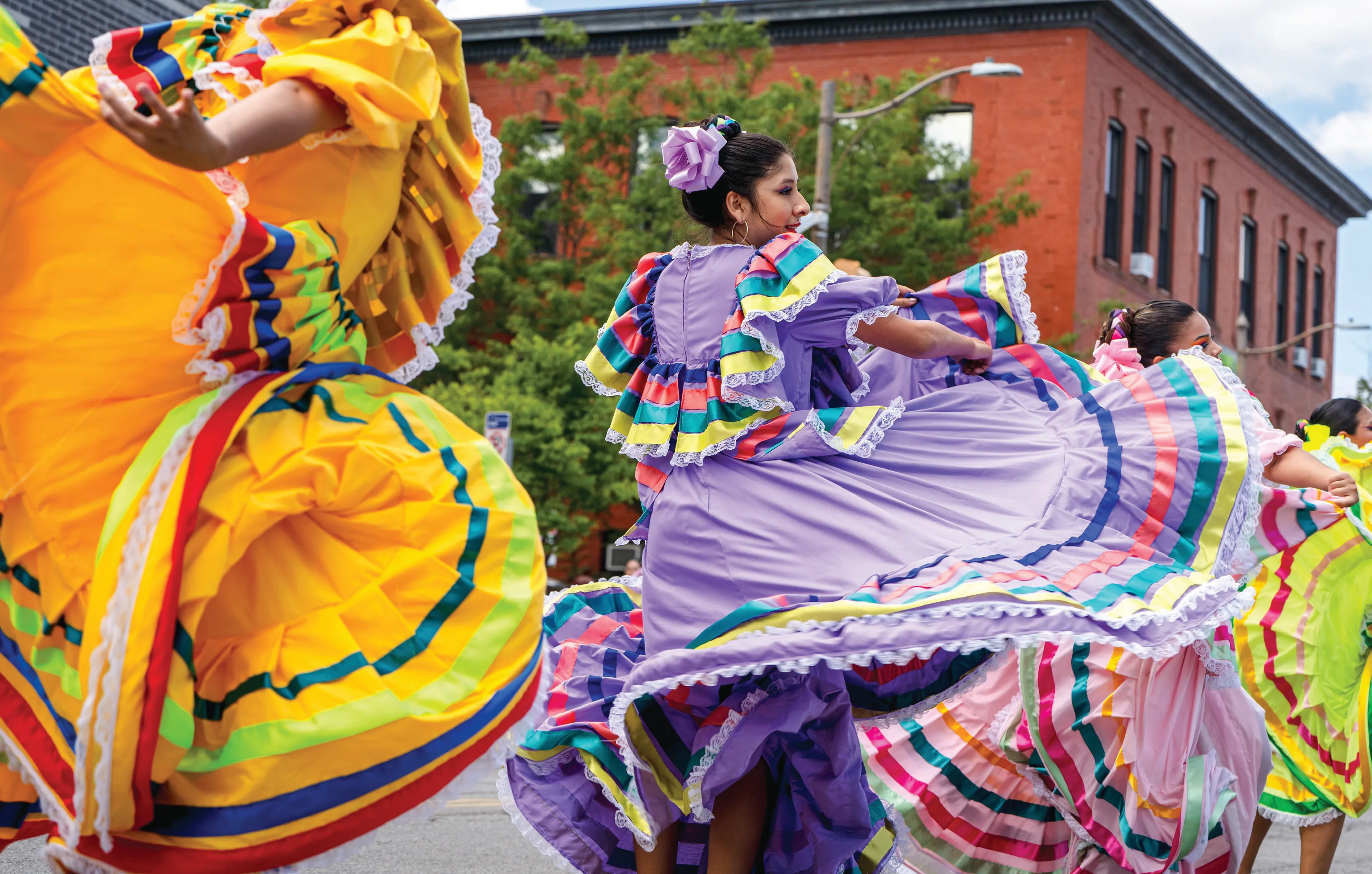
"There's an international theme," Nousias said. "We'll have performances by different cultural dance groups. We also will have an international vendor market, various local artists and organizations setting up vendor stations selling art or crafts, and we're going to have some hands-on activities."
Instead of moving visitors throughout the 70-acre park, activities will be centered in the Cove.
"Everything will be within that footprint," Nousias said. "It's a small section of the Riverwalk."
Performances will run from 5 to 9 p.m., with the market open from 4 p.m. until closing time. Nousias said eight live performances will run consecutively throughout the evening, reflecting eight different cultures, with each group performing for about 15 minutes.
The event will also include Silent Disco, where guests choose headphones and a music feed before joining the dance floor.
"Guests can choose which set of headphones they want to wear, which music feed they want to get in their headphones," Nousias said. "It's fun to watch and participate in."
The Art Loop will bring performances, vendors, hands-on activities and public art into one central area of International Cove, connecting the Arts Commission and Metroparks Toledo at a major point in the Riverwalk project. For more information, visit metroparkstoledo.com.
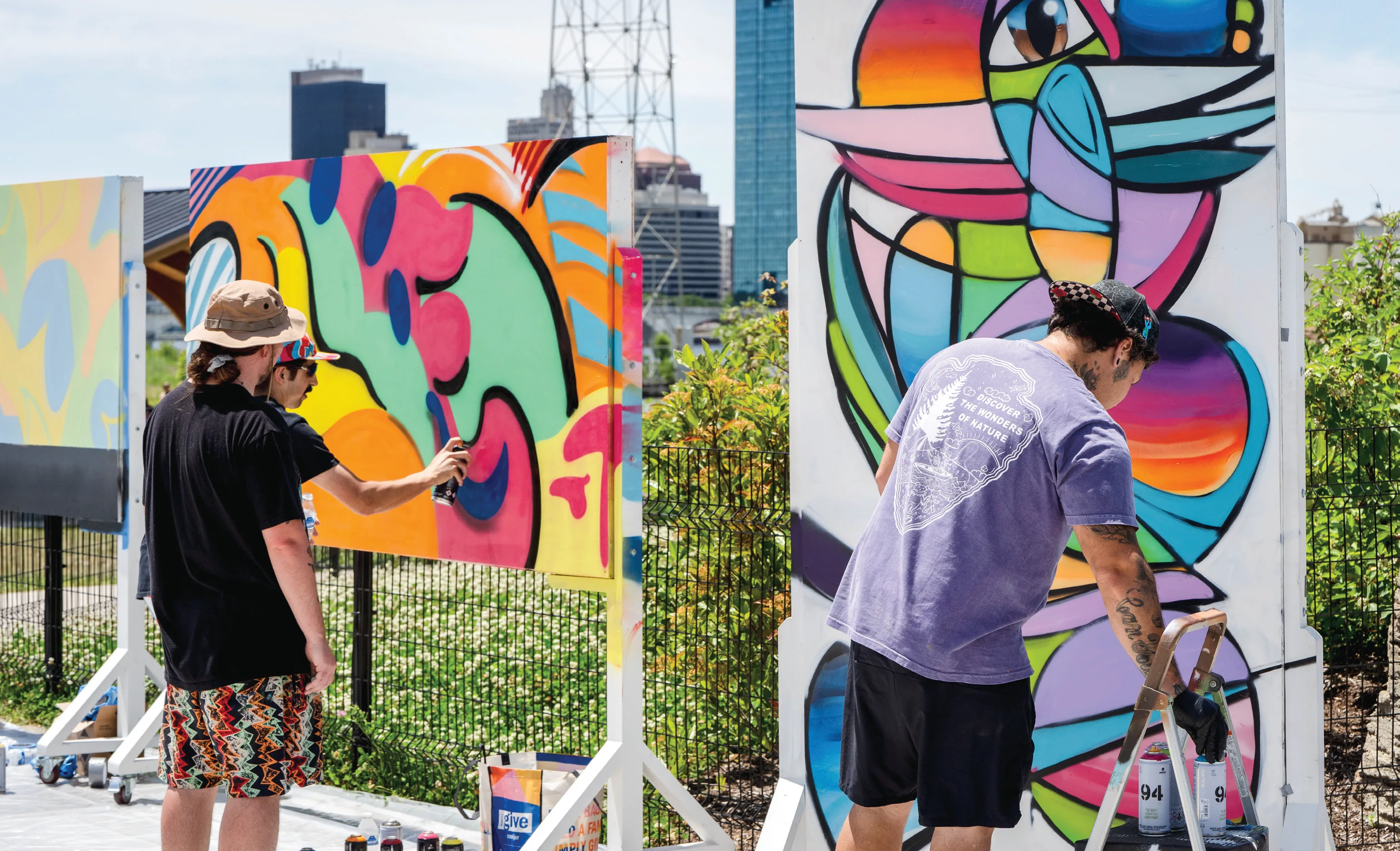
Jason Morgan Chose the Marines for the Uniforms
By Jeffrey Darah
Jason Morgan joined the Marines right out of high school. He likes to tell people he chose the branch because they had the best-looking uniforms, which, in hindsight, said more about his future than his military career.
College hadn't clicked. The Marines did, for a while. He went in as an airplane mechanic, not because he had a particular calling for it, but because a graphic artist slot would have meant waiting around, and he had the mechanical aptitude to fill the gap. There were no wars or conflicts at the time, so the work was steady and uneventful, mostly spent on concrete hangar floors.
That concrete caught up with him. Years of running and standing on unforgiving surfaces wore his ankles down until the Corps delivered its verdict: if you can't be a soldier first and a mechanic second, you can't be a Marine. He received a medical discharge, honorable, and found himself back in civilian life with no real plan.
The Long Way Around
What Morgan did have was a pair of hands that could draw. In high school, he had been the one everyone came to for posters and pictures. There was no formal training behind it, just ability looking for a direction.
Direction came through family. His first wife's father ran a company in North Carolina that manufactured collectible mugs, the kind sold in college bookstores with university logos, along with decorative beer steins for major breweries. The steins required an art department, and his father-in-law offered him an entry-level spot. Morgan worked there for six years. It was, by his own account, his first real training in the art world.
From there, he moved to Cincinnati, where he landed at a company that designed product packaging. One of their major clients was Dial soap. Morgan's role sat on the production side: designers on one end of the building created the look, and he made sure it was printable, recreating their work with the precision of an architect. He did that for another six or seven years, sitting in a cubicle, doing technically skilled work that wasn't particularly creative.
Then a coworker asked him to do a painting. He paid Morgan $200 for it and liked it. Morgan thought it was actually pretty good, too.
He quit his cubicle job, moved back to his hometown where he could live cheaply, and started putting the word out.
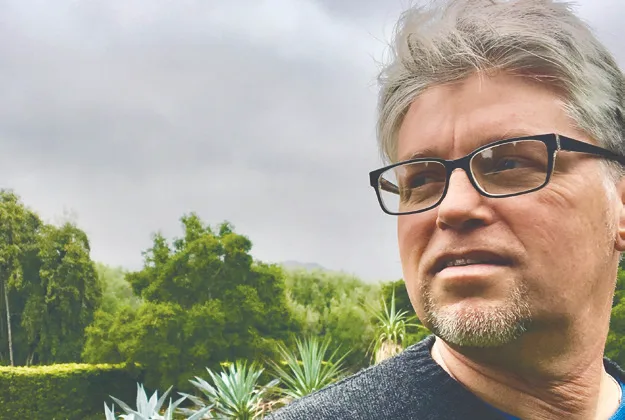
Marine-turned-mechanic-turned-cubicle-worker finds his way to full-time still life painting. @jasonmorganportraits
The First Portrait
His mother got him the first real commission. A woman she knew had just had a grandson and wanted a portrait painted from a photograph. Morgan took the job and surprised himself.
"I didn't know I could do it as well as I did," he said. "Because I was working from a very good photograph, it turned into a good painting."
The portrait work led to murals, large outdoor pieces commissioned by cities and towns. Those paid well when they came in, sometimes six figures for a single project, but each one took six to nine months, and the next year
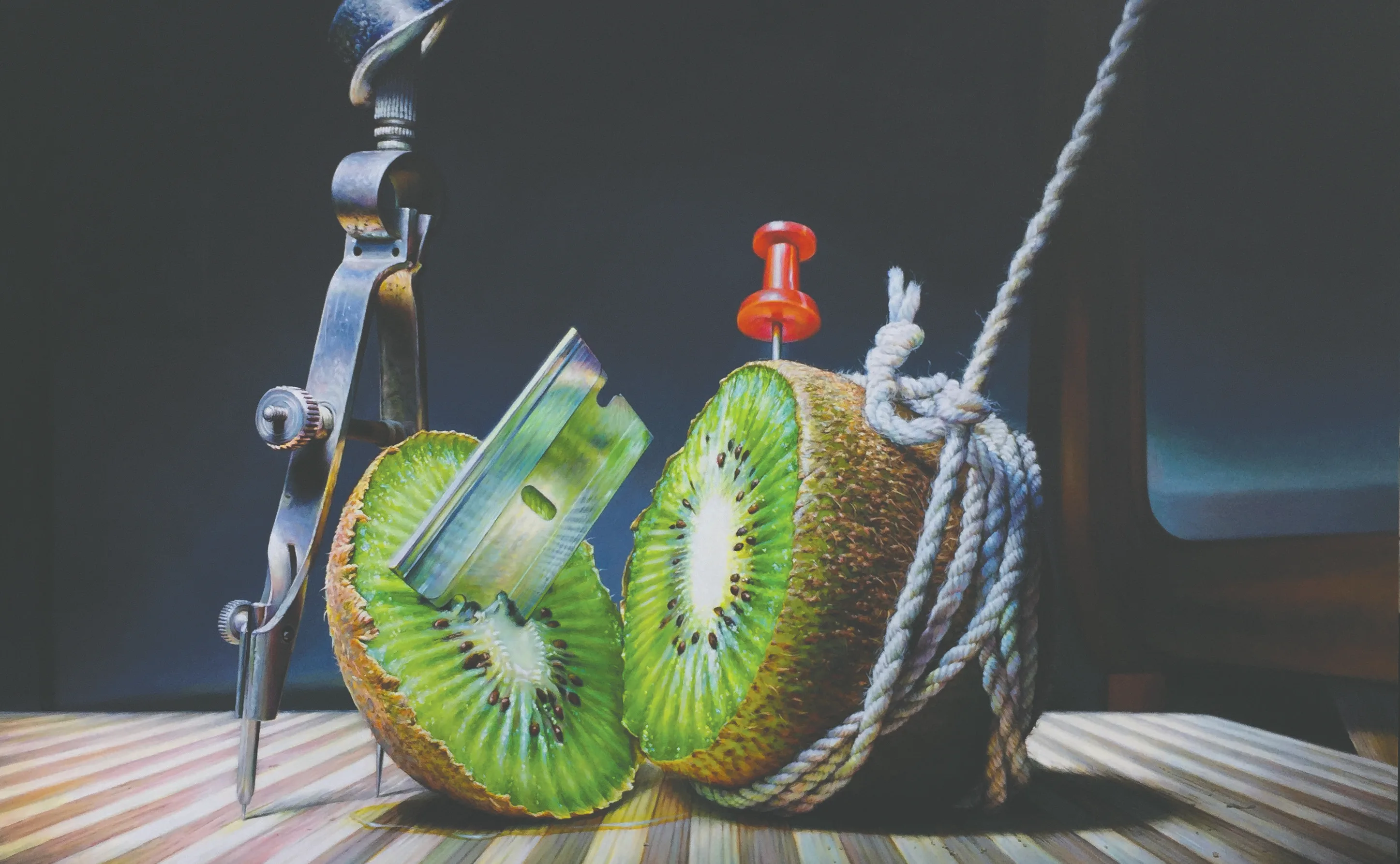
For paint, he found Nova Color, an under-the-radar company in Culver City, California, that sells high-quality acrylic by the five-gallon bucket to mural painters and other commercial artists. No advertising, no retail presence, just product that works.
He did murals for about four or five years before the math changed. The commissions were irregular. He was getting older. And the physical reality of the work, standing on a lift 40 feet in the air, the whole platform swaying in the wind like a boat at dock, lost its appeal.
"I don't need to be doing this anymore," Morgan said. "Scary."
Still Life, His Own Way
The shift to still life came during the 2008 economic downturn, when commissions had dried up. A gallery owner in his town, where he had been showing a few paintings, gave him blunt advice: try painting something else. Landscapes, florals, still life. Morgan didn't want to be another painter of fruit bowls. The gallery owner told him to make it his own.
He did, and she gave him a small show. The paintings sold for a couple hundred dollars each, and nearly everything moved.
Meanwhile, Morgan had been doing something that doesn't come naturally to most artists: cold-calling. In the era of phone books, he would look up every art-adjacent business in the nearest cities, galleries, interior designers, anyone who might need a painting, and knock on their doors with a business card and a portfolio. One of those doors belonged to Brandt Gallery in Columbus.
They hadn't been interested in portraits when he first walked in. But when he emailed them the flyer for his still life show, they remembered him. The gallery owner came to see the work and told him she could sell it if he could keep producing. He's been with Brandt Gallery for close to 15 years.
"My job is to keep her supplied with my paintings," Morgan said.
Hundreds of Photographs for One Painting
Morgan's process is methodical. He works strictly from photographs, a practice he felt validated in after reading Norman Rockwell's autobiography and learning that Rockwell used a projector.
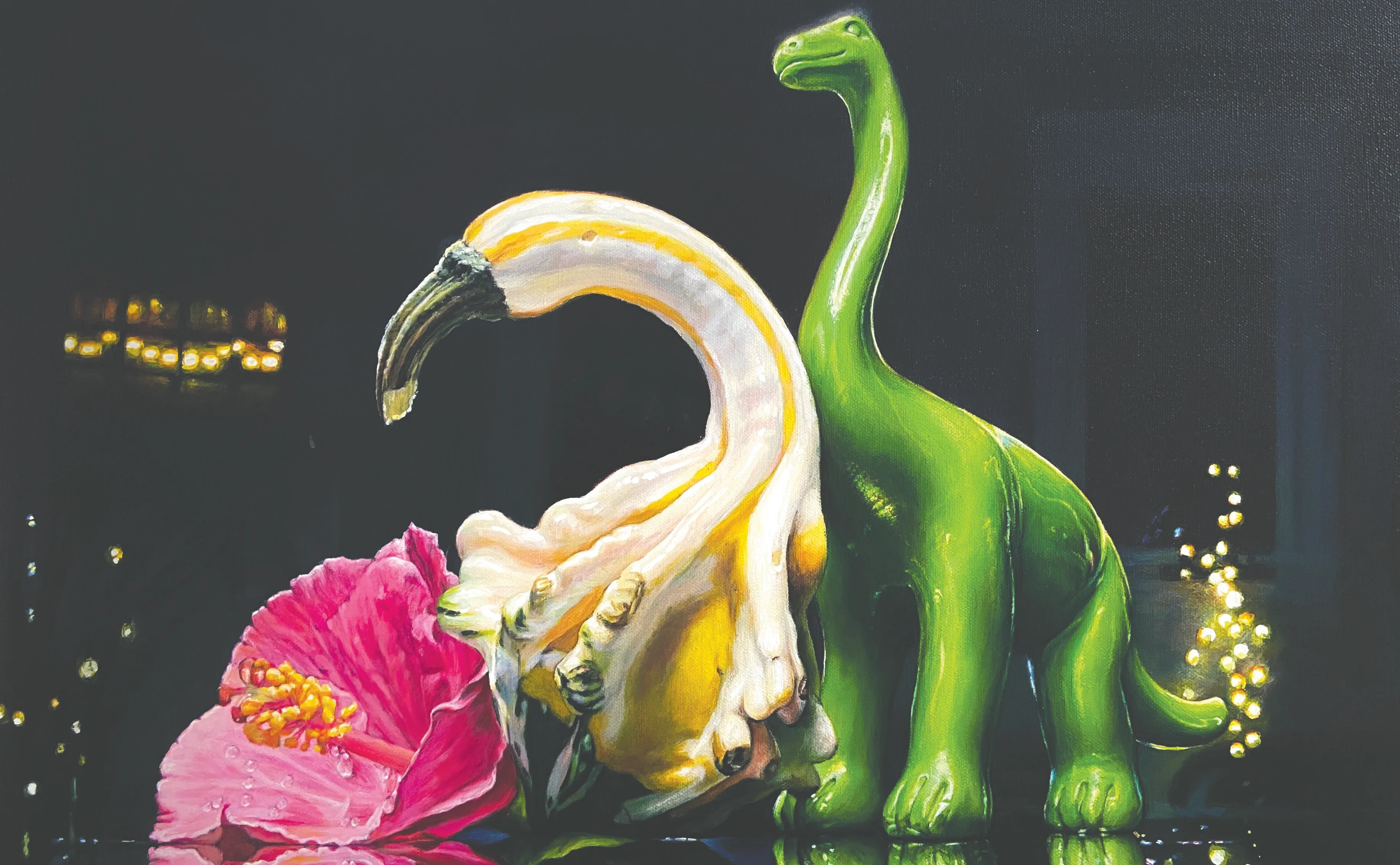
He gathers objects, usually things that are shiny or have interesting colors and textures, sets them on a table with a clamped lamp and his iPad, and starts composing. He moves the objects, moves the light, changes backgrounds, and takes hundreds of photographs in a sitting. Then he spends a day or so culling the images down to around 60, grouping them, and showing the finalists to his wife.
"She has a better artistic sense than I do," Morgan said. "So many times I've been painting something and she'll walk into the room and be like, 'Whatever you're doing there, that's not gonna work.'"
His wife has been more than an editor. She's been the reason he stayed in it. Every time Morgan considered going back to a job with a regular paycheck and benefits, she told him to keep going.
Once a composition is chosen, he projects it onto the canvas and paints, eight or nine hours a day, for about a month at minimum. Most paintings take two to three months. In total, he estimates he has completed roughly 300 works, over 200 of which are cataloged on his website.
Morgan's inventory at any given time sits at three or four paintings. Most of what he delivers to Brandt Gallery doesn't stay long.
"The greatest thing is when I drop off a painting and, before I get back home, they're calling me and saying somebody just saw it and wants to buy it," he said. "That's happened a couple of times."
More than a dozen times, a painting has sold within the first day. Others have lingered for years. A small handful never sold at all.
"It's not always perfect," Morgan said. "Naturally."
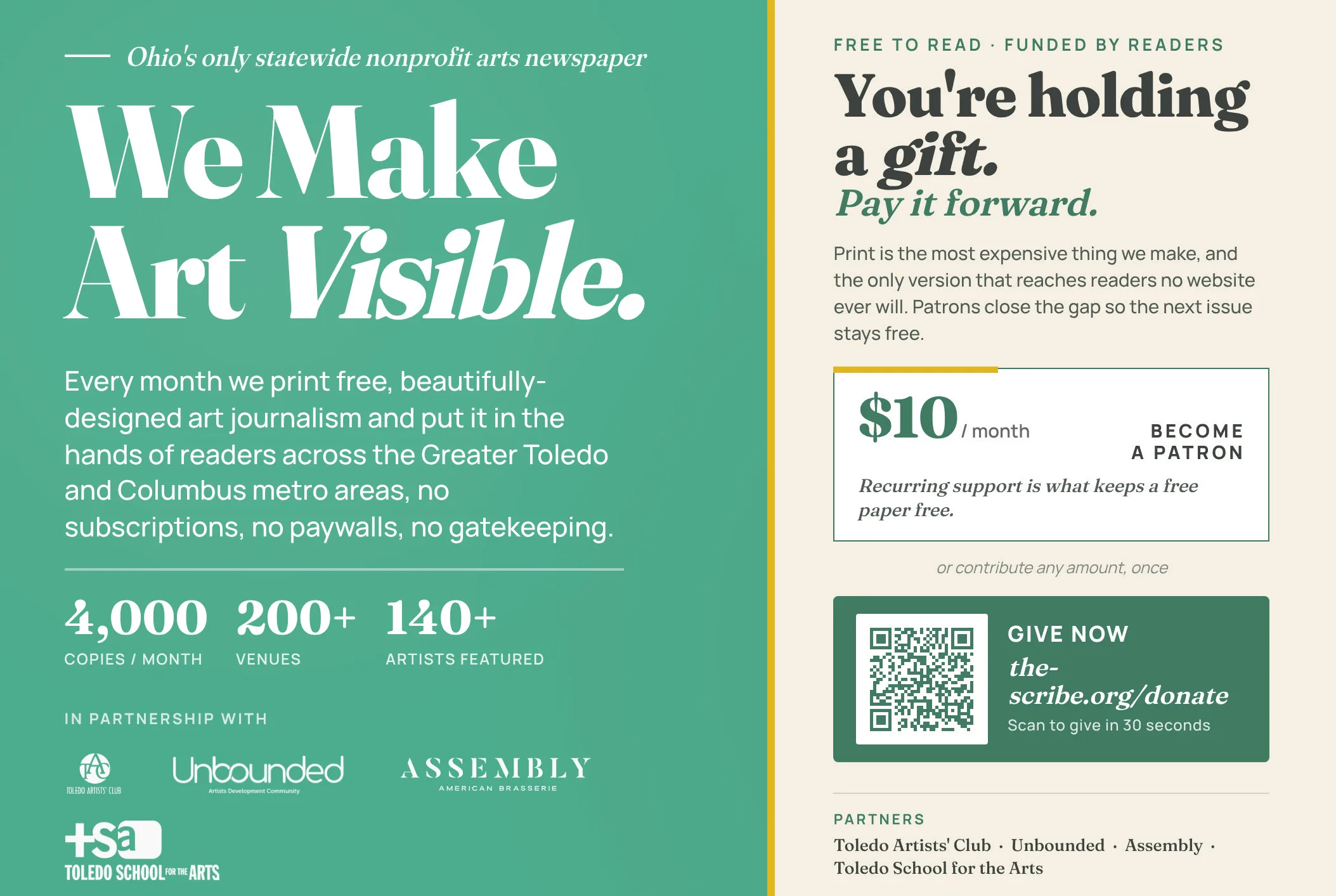
We Make Art Visible.
Ohio's only statewide nonprofit arts newspaper
Every month we print free, beautifully-designed art journalism and put it in the hands of readers across the Greater Toledo and Columbus metro areas, no subscriptions, no paywalls, no gatekeeping.
4,000 copies/month | 200+ venues | 140+ artists featured
In partnership with: Toledo Artists' Club, Unbounded, Assembly, Toledo School for the Arts
You're holding a gift. Pay it forward.
Print is the most expensive thing we make, and the only version that reaches readers no website ever will. Patrons close the gap so the next issue stays free.
$10/month - Become a Patron
Recurring support is what keeps a free paper free.
Give now: the-scribe.org/donate
The Ibis Poetry Anthology
THANK YOU to the huge number of submissions to our new poetry anthology, The Ibis! We are extremely thankful and are excited to bring it to life.
For those who missed the deadline for The Ibis, remain on the lookout for future literary projects by Apollo Press.
Decisions sent - August 1, 2026 Publication - October 2026
Physical copies will be available at cost soon after publication!
Partner with The Scribe!
Want to promote your upcoming events? Reach thousands of engaged readers across 200 locations!
The Scribe Now Offers to the Community:
Press Release Coverage:
- Free to Submit
- Guaranteed Online Placement
- Consideration for Print
Sponsored/Advertorial Coverage:
- Guaranteed Print Placement
- Fully Visually Designed
- Two Page Spread
Send press releases to: [email protected] (419) 470-9489